
Cerochlamys pachyphylla
Cerochlamys pachyphylla
Description
Growing requirements
Cerochlamys pachyphylla is a perennial succulent plant belonging to the Aizoaceae family. Native to the arid regions of South Africa, it has evolved to survive in harsh, nutrient-poor conditions with limited water availability, making it a highly resilient species for specialized horticulture.
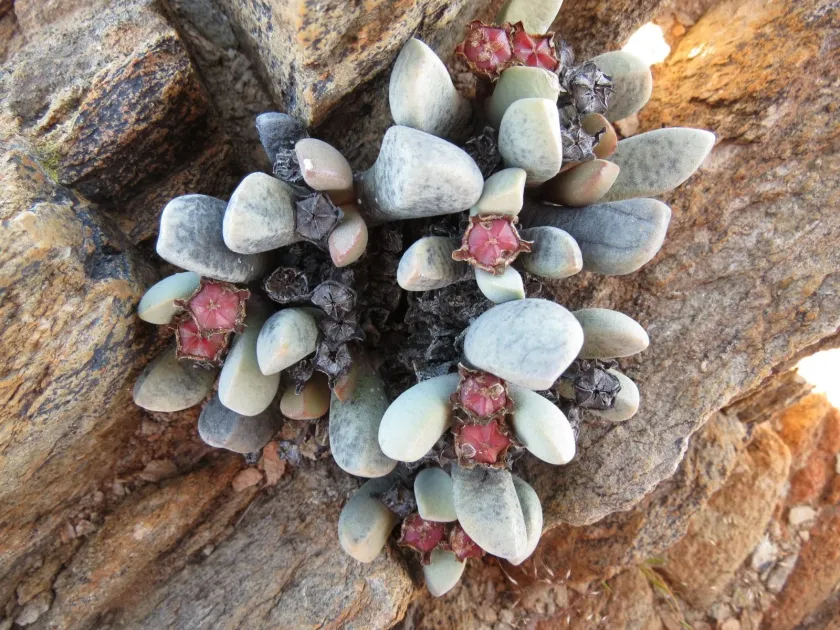
The plant is characterized by its thick, succulent leaves arranged in dense rosettes. This structural adaptation allows it to store water efficiently, which is a key survival mechanism in its natural, sun-drenched habitat. For cultivation, it requires high light intensity to maintain its natural, compact shape and prevent etiolation.
The soil requirements are strict: the medium must be extremely well-draining, consisting of a mix of sand, gravel, and minimal organic matter. Water stagnation around the roots is the primary factor that leads to plant failure, making drainage a priority in any planting scheme.
Temperature management should follow seasonal cycles, with a warm growing season and a cool, dry dormant period. During winter, the plant should be kept dry to simulate the natural drying-out process of the South African plains, which encourages healthy dormancy and promotes future flowering.
In terms of usage, it is primarily cultivated as a high-value ornamental plant. Its aesthetic appeal, combined with its compact size and seasonal pink-to-purple blooms, makes it a favorite among succulent collectors and in controlled-environment greenhouse agriculture.
Main diseases and pests
The most significant threat to the culture is root rot, triggered by overwatering or soil that remains saturated for extended periods. Once rot sets in, it quickly spreads through the fleshy tissues, often causing irreversible damage.
Pest issues include mealybugs, which tend to hide in the crevices between leaves. These pests are difficult to eradicate once an infestation is established, as they extract essential nutrients from the succulent, weakening the plant structure.
Spider mites are another common threat, especially in low-humidity environments. They can cause scarring on the leaf surface, which reduces the ornamental value and overall health of the plant.
Preventative maintenance requires regular inspection for early signs of distress, such as leaf discoloration or softening of the base. Ensuring good airflow is essential to keep the surface of the plant dry and less susceptible to fungal attacks.
Using sterile soil media during initial planting is the most effective way to prevent soil-borne pathogens from infecting the root system, ensuring long-term plant health.