
Cerochlamys gemina
Cerochlamys gemina
Description
Growing requirements
Cerochlamys gemina is a distinct succulent species belonging to the Aizoaceae family. Native to the arid regions of South Africa, this plant has evolved unique morphological traits to survive in harsh, water-scarce environments characterized by intense solar radiation.
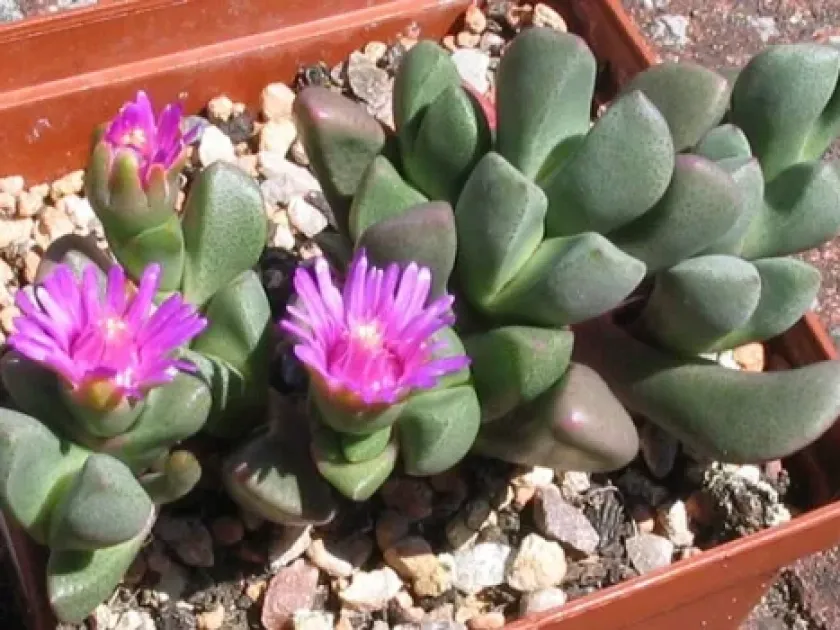
The plant grows in a compact, clump-forming habit with fleshy, triangular leaves that are typically grayish-green. These leaves are adapted to store large amounts of water, allowing the plant to remain turgid during long periods of environmental stress.
Agricultural requirements include a highly porous, well-draining mineral substrate. A mixture dominated by coarse sand, perlite, and small gravel is essential to prevent moisture retention that can be detrimental to the root system.
The cultural environment requires full, direct sunlight to maintain the plant's natural structure and color. In temperate climates, this species is typically grown as a container plant in greenhouses or conservatory settings where moisture levels can be strictly monitored.
Care instructions prioritize a strict dormancy period during winter, characterized by minimal or zero watering. This cycle is vital for the plant's internal metabolism and encourages flowering in the subsequent growing season.
Main diseases and pests
The primary threat to the health of Cerochlamys gemina is root rot caused by stagnant water in the potting medium. Poor drainage combined with high organic matter in the substrate leads to rapid decomposition of the roots.
Common insect pests include the mealybug, which tends to hide in the tight crevices between the succulent leaves. These pests sap the plant's vitality and create entry points for secondary infections or mold growth.
Spider mites are another potential threat, often appearing during periods of excessively dry and stagnant air. Regular monitoring of the foliage and increasing air circulation can effectively mitigate the risk of infestation.
Fungal pathogens such as Botrytis may occur if the ambient humidity is too high and ventilation is inadequate. Keeping the foliage dry during watering is a crucial preventative measure to maintain plant integrity.
Proper hygiene, such as using clean tools and sterilized media, is essential for long-term cultivation. If symptoms of stress appear, immediate repotting into fresh, dry substrate is recommended as a standard remedial action.