
Astridia
Astridia
Astridia is a genus of succulent plants within the Aizoaceae family, native to the arid regions of South Africa. These plants have evolved to survive in extreme conditions, characterized by long periods of drought and high solar exposure.
What the section contains

Astridia
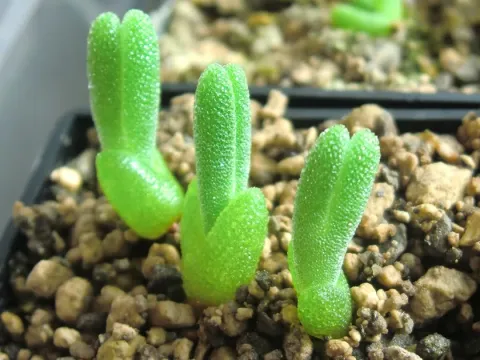
Botanically, Astridia is defined by its fleshy, triangular-shaped leaves that are often covered in a protective waxy bloom. This adaptation allows the plant to minimize water loss through transpiration while resisting intense heat.
For successful cultivation, the plant requires maximum sunlight exposure. Keeping the plant in a bright, sunny spot is essential to maintain its compact form and to encourage healthy growth throughout the active season.
The growing medium must be highly porous and inorganic. A mix consisting primarily of sand, pumice, and crushed gravel is recommended to ensure that water drains away from the roots immediately after irrigation.
During the growing season, watering should be sparse, occurring only when the soil has completely dried out. In the winter months, Astridia enters a dormant phase, during which irrigation should be strictly limited to prevent root rot.
Excessive moisture is the primary cause of failure when growing Astridia. Soggy soil conditions promote rapid root and stem rot, which can destroy the succulent tissue within a matter of days if left unaddressed.
Mealybugs are the most common pest affecting these plants. These insects hide in the tight crevices between the fleshy leaves, necessitating careful inspection and the use of systemic insecticides to eliminate the infestation.
Spider mites can also become a problem in environments with stagnant, dry air. Ensuring proper airflow and occasional gentle misting or treatment with specialized acaricides can effectively manage these populations.
Fungal diseases often emerge as secondary issues following incorrect watering practices. If rot is observed, immediate repotting into fresh, dry substrate and the removal of compromised roots are necessary steps to save the plant.
Maintaining a clean growing environment and monitoring for early signs of stress are the best preventative measures. Avoiding nitrogen-heavy fertilizers is crucial, as they promote weak, etiolated growth prone to infections.