Description
Sowing dates
Sowing tomato seeds for seedlings is typically carried out 50–60 days before planting in open ground, usually in late February or March. In southern regions, direct sowing in warmed soil is possible in April.
The optimal temperature for seed germination is +22...+25 °C, with sprouts appearing in 5–7 days. It is crucial to provide seedlings with sufficient light to prevent etiolation.
Seed preparation includes disinfection and growth stimulation to increase germination energy. The substrate must be light, nutrient-rich, and have a neutral acidity level.
Seedling transplanting into individual pots is performed at the first true leaf stage, which promotes a strong root system. Hardening off the plants 10–14 days before field planting is mandatory.
Sowing dates also depend on the growing method: greenhouses require earlier sowing compared to open field cultivation, depending on the absence of night frost risks.
Growing requirements
The tomato (Solanum lycopersicum) is a member of the Solanaceae family, native to South and Central America, demanding warmth and sunlight. The optimal growth temperature is +20...+25 °C.
The crop prefers well-drained loamy or sandy loam soils with high organic matter content. The soil pH should be slightly acidic to neutral (6.0–6.8).
Tomatoes are highly sensitive to soil moisture but cannot tolerate waterlogging, which triggers root rot. Irrigation needs increase significantly during flowering and fruit setting.
Good ventilation is essential for tomato development, especially in greenhouses, to maintain optimal humidity levels and prevent the spread of fungal diseases.
Regular fertilization with nitrogen, phosphorus, and potassium during critical growth phases ensures healthy vegetative development and high-quality fruit production.
Yield
Tomato yield varies significantly depending on the variety type (indeterminate vs. determinate) and growing conditions. Modern greenhouse hybrids can yield 15–20 kg per square meter.
In open fields, yields typically range from 3 to 8 kg per square meter depending on agricultural practices and regional climate conditions.
Indeterminate varieties require pruning and trellising, which significantly increases marketable yield by optimizing space usage and plant density.
Limiting factors for yield include temperature stress, micronutrient deficiencies, and poor pollination, which can occur during extremely high temperatures.
The use of modern irrigation techniques, such as drip systems combined with fertigation, allows for consistently high marketable fruit yields.
Main diseases and pests
Major diseases include late blight, early blight, leaf mold, and bacterial wilt. Prevention is based on crop rotation and timely fungicide application during epidemic periods.
The greenhouse whitefly is a primary pest, causing plant exhaustion and transmitting viral diseases. Cutworms and tomato fruitworms can also cause significant damage to the fruits.
While pests such as the large white butterfly, apple blossom weevil, various moths, gall midges, pea weevils, fruit weevils, or San Jose scale are not specific to tomatoes, they require monitoring in diverse agroecosystems.
Integrated pest management, including the use of pheromone traps and biological or chemical insecticides, is essential for maintaining crop health.
- Late blight (Phytophthora infestans)
- Greenhouse whitefly (Trialeurodes vaporariorum)
- Root rot pathogens
Harvesting
Tomato harvesting begins when fruits reach technical or biological maturity. Selective harvesting is recommended to stimulate the development of remaining fruit clusters.
For long-distance transport, fruits are harvested at the breaker stage, as they can continue ripening without losing quality during the supply chain.
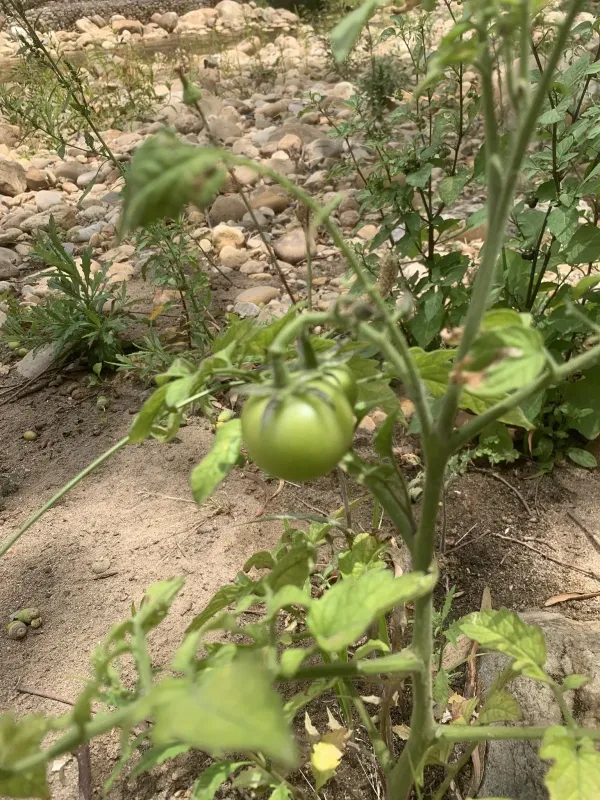
At the end of the season, before the first frosts, all green fruits are harvested for indoor ripening to avoid cold damage.
Careful handling during harvest prevents mechanical damage to the skin, which is a common entry point for secondary storage pathogens.
Well-organized harvesting and sorting processes maximize the shelf life of fresh produce and significantly reduce post-harvest losses.
In brief
57
Crop pests
Content graph
Crop pests · 57
Alfalfa seed chalcidAlfalfa weevilAphidApple blossom weevilApple fruit weevilApple fruit weevilAustrian beetleBean aphidBeet flea beetleBeet midgeBeet webwormBeet weevilCabbage aphidCabbage mothCarrot flyCereal leaf beetleChloropid fliesCockchaferCodling mothComplex of soil-borne and surface seedling pestsCotton bollwormCrucifer flea beetleDiamondback mothDiamondback mothEuropean apple sawflyEuropean cherry fruit flyEuropean corn borerEuropean vine mothGall midgesGeometridaeGrape phylloxeraGreen apple aphidGreenbugGreenhouse whiteflyGrey beet weevilHemp flea beetleLarge whiteLeafhoppersMealy plum aphidOnion flyOriental fruit mothPea aphidPear fruit mothPea weevilPollen beetlePollen beetlePyralid mothsRoot-knot nematodeSand weevilSan Jose scaleSucking pestsSucking pests complexSunn pestTurnip mothTwo-spotted spider miteWeevilWestern corn rootworm
Content graph
Connections · Tomato
Most often together:
Marketplace
Products · 1626
All 1626
Tomato 544
Fungicides 327
Insecticides, Acaricides 270
Fertilizers 202
Herbicides, Desiccants 190
Plant Growth Regulator 77
Biological Products 14
Mechanization 1
Adjuvants 1

Director, w.r., (Glyphosate in the form of isopropylamine salt, 41%)
Іпрохем Компані, Лтд., Шенжен, Китай
Herbicides
0
0
·
42
No offers
—
Details


SEÑOR TOMATE
«Нанджин Ессенс Файн-Кемікал Ко. Лтд» (Китай)
Plant Growth Regulator
0
0
·
41
No offers
—
Details


Patrick C.E.
F.A.GAN Chemical Manufacturers Ltd. Israel, member
Herbicides
0
0
·
41
No offers
—
Details


BLUELINE (brands Algamino, MicroRich, AlgaRoot, CaBoron, ProBoron
BEIJING LAILI MARIN BIOINDUSTRIAL CO., CHINA
Fertilizers
0
0
·
39
No offers
—
Details


Sulfammonium fertilizer - by-product of ammonium sulfate production
ПАТ «Азот»(Україна
Fertilizers
0
0
·
39
No offers
—
Details


Dobriva ridki kompleksni dlia silskogospodarskikh kultur MVS-M
MINERAL BIOSYNTHESIS, LLC
Fertilizers
0
0
·
37
No offers
—
Details


NANO ENERGY 4-5-6
AGRI SAENSIZ TARIM VE İLAÇ URUNLERI SANAYI
Fertilizers
0
0
·
36
No offers
—
Details


Spartak
Шанхай Агрочайна Інтернешнел Трейд Ко., Лтд., Шанхай, Китай.
Fungicides
0
0
·
36
No offers
—
Details


Econom
Хімічні заводи «Органіка-Сажина»С.А., Нова Сажина, Польща
Fungicides
0
0
·
35
No offers
—
Details


Foliarrel QS, p., (N – 0-15%, P – 10,9-21,1%)
Società Chimica Larderello SpA, Company
Fertilizers
0
0
·
34
No offers
—
Details