
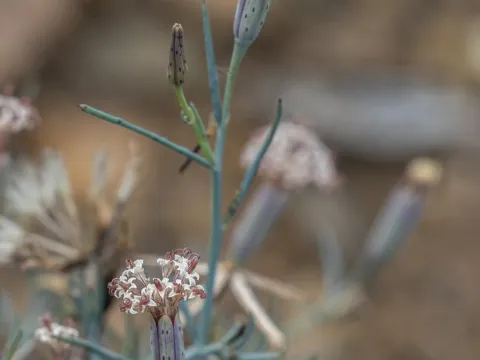
Porophyllum
Porophyllum
Porophyllum is typically cultivated as an annual crop, requiring a long frost-free period and warm soil temperatures to establish properly.
What the section contains


Porophyllum
Sowing in open fields should only commence after all risks of spring frosts have passed, ideally when temperatures remain above 15 degrees Celsius.
Many growers prefer starting seeds in greenhouses to ensure a steady supply of healthy seedlings, which are then transplanted after 4–6 weeks.
The seeds are relatively small and should be sown at a shallow depth of approximately 1 centimeter, covered with a thin layer of fine soil.
Maintaining adequate plant spacing, typically 30 centimeters apart, is crucial for air circulation and preventing competition between individual plants.
This crop demands full sun exposure to synthesize the essential oils that give its leaves their distinct, pungent, and aromatic flavor profile.
Well-drained, fertile soil is a primary necessity; sandy loam or loamy soils with high organic matter content support the best vegetative growth.
While the plant shows resilience to moderate drought, consistent soil moisture during the peak summer months significantly enhances foliage yields.
Porophyllum is highly sensitive to waterlogged conditions, which can lead to rapid root decay; therefore, a well-structured soil is essential.
The plant thrives in a pH range between 6.0 and 7.5, performing well in most standard garden conditions if provided with adequate light and nutrients.
Aphids are the most common pests that infest the underside of the leaves, weakening the plant and potentially spreading viral infections.
Fungal pathogens such as mildew can develop in humid and overcrowded conditions, often resulting in premature leaf drop and stunted growth.
Root rot is a significant threat to the crop, primarily caused by overwatering or poor soil drainage, necessitating careful irrigation management.
Managing weed growth is essential throughout the season, as weeds compete for nutrients and can harbor pests that target the crop's soft stems.
Early intervention using organic insecticidal soaps or horticultural oils is recommended if pest populations cross the economic injury threshold.
Harvesting usually involves picking young, tender leaves and stems throughout the growing season to encourage the plant to produce new shoots.
Flavor intensity is highest when harvesting in the early morning, just before the heat of the day causes the oils to begin volatilizing.
For fresh consumption, leaves should be used shortly after cutting, or stored in a cool environment to maintain their crisp texture and aroma.
The entire plant can be cut back once the leaves have reached their peak size, allowing the plant to regenerate for a second, smaller harvest.
If the plant is grown for seed, harvesting occurs once the flower heads mature and begin to dry, requiring careful drying to avoid seed loss.