
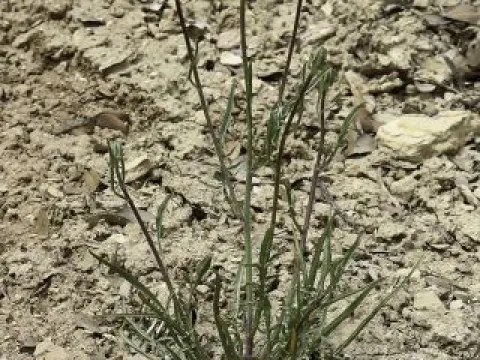
Podospermum
Podospermum
Podospermum is primarily sown in early spring as soon as the soil temperatures consistently reach 5–8 degrees Celsius to ensure successful germination.
What the section contains


Podospermum
Seeds benefit significantly from pre-sowing treatments such as cold stratification or short-term soaking in growth-promoting solutions to enhance uniformity.
The optimal planting depth is approximately 2–3 centimeters in light, well-drained soils, allowing the seeds to maintain access to necessary moisture.
Standard agronomic practice recommends spacing rows 30–40 centimeters apart, providing ample space for the development of the leaf rosette and root structure.
For regions with mild winters, late autumn sowing is viable, enabling the seeds to germinate early in the spring for an accelerated harvest season.
As a member of the Asteraceae family, Podospermum thrives in full sun, as limited light exposure can severely hinder plant vigor and root quality.
The crop requires fertile, deep, and loose soils; sandy loams are ideal, whereas heavy clay should be amended to prevent root deformation.
While the plant is relatively drought-tolerant once established, consistent moisture is vital during the initial growth stages to ensure high-quality yields.
Drainage is a critical factor for success; waterlogged soils promote root rot and negatively impact the overall shelf life of the harvested product.
The crop performs best in moderate climate conditions, with temperature ranges between 18–22 degrees Celsius being optimal for rapid biomass accumulation.
Yield potential is heavily influenced by soil fertility and the availability of essential macro-nutrients, particularly phosphorus and potassium.
Under managed intensive cultivation, a producer can expect a yield between 15 and 25 metric tons per hectare of marketable root crops.
Thinning the seedlings is an essential operation; maintaining an interval of 10–15 centimeters between plants is necessary for individual root development.
Inter-row cultivation is highly recommended to suppress weed competition and maintain optimal soil aeration around the root zone.
Economically, Podospermum is valued as a niche vegetable, often compared to salsify, and utilized in high-end culinary applications for its unique flavor.
Seedlings are susceptible to early-season pests like flea beetles and cutworms, which can devastate a stand before it becomes firmly established.
Fungal diseases, specifically powdery mildew, may occur during periods of high humidity and poor air circulation within the planting site.
Wireworms pose a significant risk to the roots, potentially rendering the harvest unmarketable if the crop follows permanent pasture or infested lands.
Integrated pest management, including crop rotation every 3–4 years, is the most effective strategy to break the life cycles of common soil-borne pests.
Application of fungicides should be restricted to confirmed outbreaks and managed carefully to adhere to pre-harvest intervals for food safety.
The harvest phase commences in the autumn once the foliage begins to senescence, indicating that maximum nutrient content has accumulated in the roots.
Manual or mechanical extraction must be performed with great care; minimizing skin damage is imperative for longevity and quality during post-harvest storage.
In cooler climates, the crop can be left in situ throughout the winter, with harvesting occurring in the early spring as the ground thaws.
Post-harvest handling involves removing excess soil, air-drying the roots in the shade, and preparing them for temperature-controlled storage.
- Maintain storage temperatures strictly between 0 and +2 degrees Celsius.
- Relative humidity should be kept high, between 85 and 90 percent.
- Packing roots in slightly damp sand helps maintain firmness throughout the storage period.