
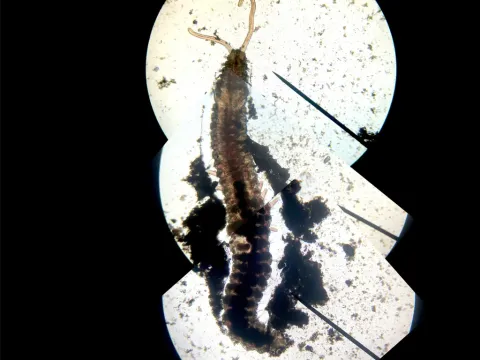
Polydora
Polydora
Sowing Polydora requires careful monitoring of soil temperature, as the seeds germinate best when the soil has warmed to at least 12–15°C. Early sowing in cold soil significantly increases the risk of seed decay and uneven emergence.
What the section contains

Polydora
The seeds should be sown at a depth of 2 to 3 cm. Proper seedbed preparation is essential to ensure that the seeds are placed in a firm, moist environment that promotes quick imbibition and subsequent germination.
Depending on the intended use, row spacing can vary. For forage or biomass production, narrow rows of 15–20 cm are common. For seed production, wider spacing (up to 60 cm) is preferred to facilitate weed control and field access.
Soil moisture at the time of sowing is the most critical factor for success. If the topsoil is dry, light irrigation immediately after planting can help bridge the gap until regular rainfall or irrigation occurs.
In modern agricultural practices, precision planters are used to achieve an optimal plant population per hectare. Proper calibration of equipment ensures uniformity, which is vital for efficient harvesting later in the season.
Polydora performs best in full sunlight. Choosing a site with clear exposure to the sun is mandatory to maximize photosynthetic output and ensure the crop reaches its full potential in both yield and quality.
The crop thrives in well-drained, fertile soil. While it is adaptable to various soil types, deep loams or sandy loams with a neutral pH are ideal. Poor drainage is a major stressor that must be avoided to prevent root diseases.
Effective water management is key. Although the crop is relatively resilient once established, consistent moisture during the early vegetative stages promotes rapid growth and canopy closure, which suppresses competitive weeds.
Nutrient requirements are moderate, but responsiveness to fertilizers is high. A balanced NPK fertilizer application based on soil test results is the recommended approach to support plant vigor without promoting excessive, succulent growth.
Field maintenance includes timely inter-row cultivation. This not only controls weeds but also breaks any surface crust, improving gas exchange between the root zone and the atmosphere, which is vital for vigorous development.
The most common pests affecting Polydora include aphids and various types of leaf-eating insects. These pests can cause significant damage to the plant tissue if not controlled early in the infestation cycle.
Fungal pathogens such as powdery mildew or root rots are frequent challenges. These diseases are most prevalent in humid, low-airflow conditions or when the crop is planted too densely without adequate spacing.
Crop rotation is the most effective cultural control measure. Planting Polydora in the same field year after year encourages the buildup of soil-borne pathogens and pests, leading to a steady decline in yield.
Integrated Pest Management (IPM) practices should be employed to minimize the use of chemical pesticides. This includes using resistant varieties, regular monitoring, and preserving natural predators in the field ecosystem.
Sanitation is a critical final step in crop protection. Removing or destroying infected crop residue after harvest prevents the overwintering of pests and spores, keeping the field healthy for the next rotation cycle.