
Porophyllum punctatum
Porophyllum punctatum
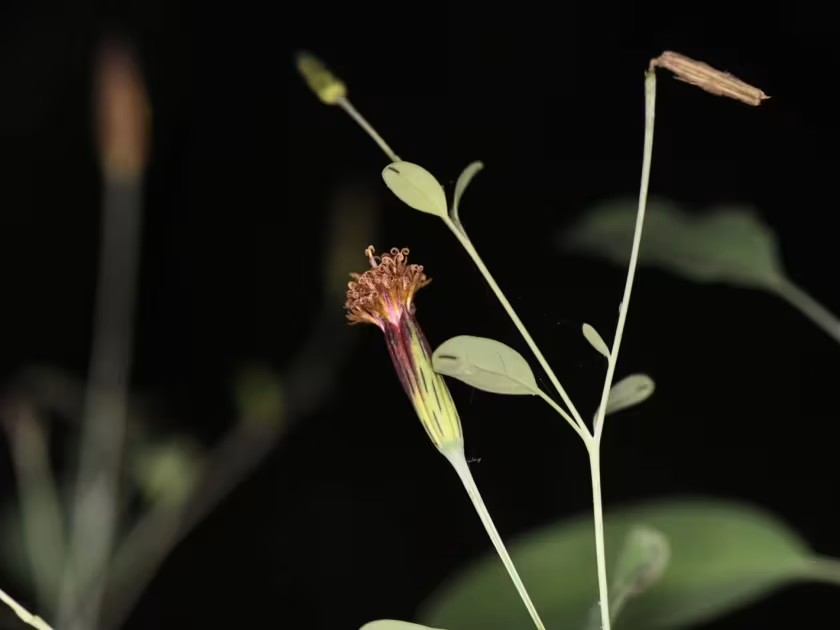
Description
Sowing dates
Porophyllum punctatum, belonging to the Asteraceae family, is an aromatic herbaceous plant widely appreciated for its unique culinary qualities and historical uses in tropical regions.
Seeds should be sown in a well-prepared seedbed once the danger of frost has passed, as the plant is highly sensitive to cold temperatures and requires warmth to germinate.
Optimal germination occurs at temperatures between +20°C and +25°C; shallow planting is recommended to ensure seeds have enough contact with moist soil for emergence.
Starting plants in a nursery environment or plug trays allows for better management of early growth stages, resulting in more robust seedlings for field transplantation.
Spacing is a crucial factor for success: maintaining 25–30 cm between plants helps optimize airflow and prevents the development of fungal pathogens in the canopy.
Growing requirements
This crop thrives in full sunlight, which is essential for the development of the characteristic aromatic oils responsible for the plant's distinct citrus-like scent.
Soil requirements include well-draining, light-textured substrates; the plant does not tolerate waterlogging, which often leads to root rot in poorly structured soils.
Consistent moisture management is necessary; while the plant can withstand short periods of dry conditions, steady irrigation promotes better leaf quality and higher yields.
The plant performs best in soils with a neutral pH, and moderate fertilization with nitrogen-based nutrients during the early vegetative phase supports rapid growth.
Providing a site sheltered from strong, damaging winds is beneficial to protect the delicate foliage and ensure the leaves remain clean for harvest.
Yield
The economic value of Porophyllum punctatum lies in its aromatic foliage, which serves as a potent culinary herb in many regional cuisines across its native range.
Regular harvesting of tips encourages the plant to branch out, creating a bushier habit that significantly increases the total harvestable biomass throughout the season.
Yield productivity is tied to how well the plant is maintained; removing flowers as they appear prevents the plant from diverting energy away from leafy vegetative growth.
Harvesting can start roughly two months after sowing, once the plant has reached a sufficient size to tolerate regular pruning without compromising its overall health.
Depending on the cultivation strategy, multiple cuttings can be obtained over a single season, providing a steady supply of fresh greens for market consumption.
Main diseases and pests
Porophyllum punctatum is generally resilient to many insect pests due to the chemical compounds in its leaves, which often act as natural deterrents to generalist herbivores.
Fungal issues, such as root rot or leaf spots, are the primary threats when humidity levels are excessively high or when plants are grown too close together.
Maintaining a balanced ecosystem through proper crop rotation and the avoidance of chemical pesticide overuse helps preserve the plant's health and consumer safety.
Weed management is vital during the establishment phase, as the young plants are easily outcompeted by aggressive weeds for available sunlight and nutrients.
Monitoring for signs of sap-sucking insects like aphids during periods of heat stress is recommended, as these can stunt growth if left untreated for long periods.
Harvesting
Harvesting is best performed during the cool early morning hours to ensure the foliage remains turgid and preserves the highest possible concentration of volatile oils.
Post-harvest handling is critical for quality; leaves should be kept in a cool, ventilated environment to minimize moisture loss and prevent wilting after cutting.
For large-scale operations, mechanical harvesting is feasible, though selective hand-cutting remains the standard for producing high-end culinary fresh-market products.
Drying the foliage is a viable method for long-term storage, as it retains much of the unique flavor profile when kept in cool, dark, and dry conditions.
Efficient post-harvest processing ensures that the product reaches the consumer in the best possible state, maintaining its value and culinary appeal.