
Podachaenium
Podachaenium
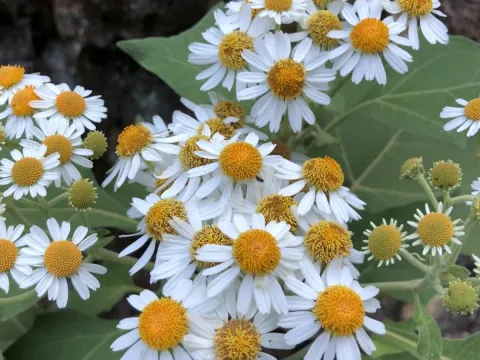
Podachaenium is a genus of flowering plants belonging to the Asteraceae family. These plants are typically identified as large shrubs or small trees that exhibit strong woody growth habits in their native environments.
What the section contains

Podachaenium
The plant originates from Central America and Mexico, thriving in regions that provide tropical or subtropical conditions. It requires specific microclimates to reach its full development potential.
In terms of soil requirements, Podachaenium prefers well-drained, nutrient-rich substrates. Proper drainage is essential to prevent waterlogging, which the root system cannot tolerate for extended periods.
Light exposure is a critical factor for successful growth; the plant needs substantial sunlight to maintain its structural integrity and leaf development throughout the vegetation period.
Due to its lack of significant cold tolerance, cultivation is generally restricted to tropical zones or specialized greenhouse environments where temperatures can be strictly controlled.
Powdery mildew is a common fungal threat to Podachaenium, especially in greenhouse environments where air circulation is insufficient and humidity levels remain consistently high.
Root rot represents a significant danger to the longevity of the plant, usually triggered by improper watering schedules or the use of heavy, non-porous soil mixtures.
Pests such as spider mites and aphids are frequently observed on this species. They target the succulent parts of the plant and can cause severe damage if left unmanaged.
Scale insects can also infest the woody stems, draining the plant's resources and causing a decline in overall health and vitality over time.
Effective management involves consistent monitoring of the leaf underside, maintaining proper spacing between plants to improve airflow, and immediate isolation of any symptomatic individuals.