
Porophyllum coloratum
Porophyllum coloratum
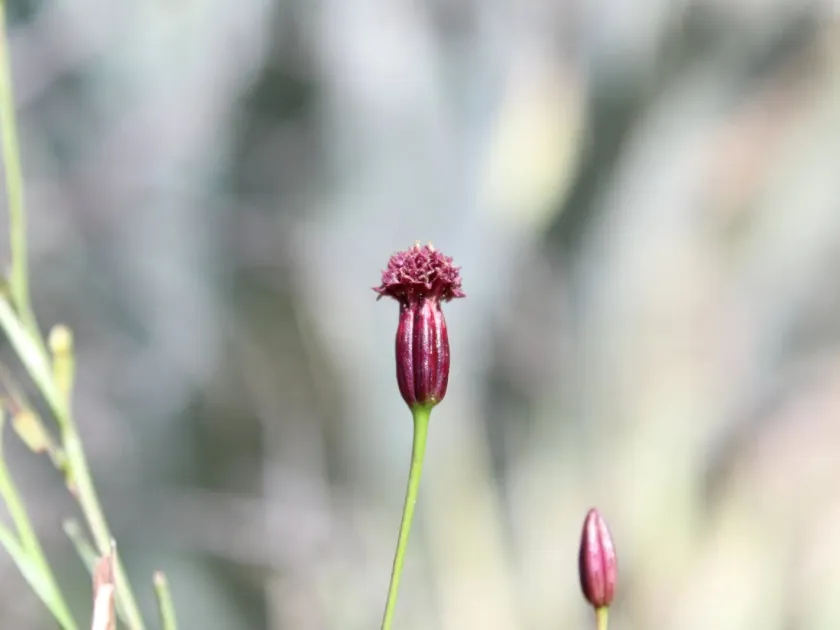
Description
Sowing dates
Porophyllum coloratum is a unique member of the Asteraceae family, often cultivated for its aromatic foliage in various agricultural and gardening systems.
The seeds should be sown indoors in a warm environment to ensure successful germination, as the plant requires stable temperatures to develop its initial root system.
Transplanting into the field is recommended only when all risks of frost have passed and the soil has sufficiently warmed up to promote active growth.
For optimal development, plants should be spaced at least 30 centimeters apart to prevent overcrowding and to ensure sufficient light reaches the lower leaves.
Seedlings should be hardened off gradually before being moved to the outdoor location to acclimatize them to direct sunlight and fluctuating humidity levels.
Growing requirements
This crop thrives in full sun exposure, which is essential for maximizing the concentration of aromatic oils within the plant tissues.
A well-drained, fertile, and sandy loam soil is preferred to prevent water stagnation, which can easily damage the delicate root systems of this species.
The plant demonstrates a preference for neutral to slightly acidic soil conditions, which should be maintained through balanced fertilization practices.
Watering should be consistent but moderate; allowing the soil to dry slightly between waterings helps to encourage deeper root penetration.
Air circulation is crucial for the overall health of the plant, especially in regions with high humidity levels, as stagnant air promotes mildew.
Main diseases and pests
Root rot and stem rot are the primary threats, especially when plants are grown in heavy or waterlogged soils during periods of excessive rainfall.
Aphids are the most common insect pests, capable of causing stunted growth and leaf distortion if not managed during the early stages of infestation.
Spider mites can also be problematic, particularly during hot and dry spells, necessitating regular monitoring of the foliage underside.
Cultural control methods, such as removing affected plant parts and ensuring adequate spacing, are highly effective in managing these risks.
In cases of severe infestation, integrated pest management strategies should be applied to protect the plant while maintaining the quality of the harvest.
Harvesting
Harvesting usually involves cutting the fresh, tender shoots during the plant's vegetative growth phase to maximize the yield of aromatic leaves.
For the best results, harvesting should take place early in the morning, as this timing ensures the highest concentration of volatile oils in the greenery.
It is important to avoid over-harvesting a single plant; leaving enough foliage ensures the plant can continue to produce new growth throughout the season.
Post-harvest processing includes gentle cleaning and immediate air-drying in a cool, shaded area to preserve the plant's distinct sensory properties.
Proper storage is essential; the dried material should be kept in airtight containers away from direct sunlight to maintain its quality over time.