
Porophyllum ruderale
Porophyllum ruderale
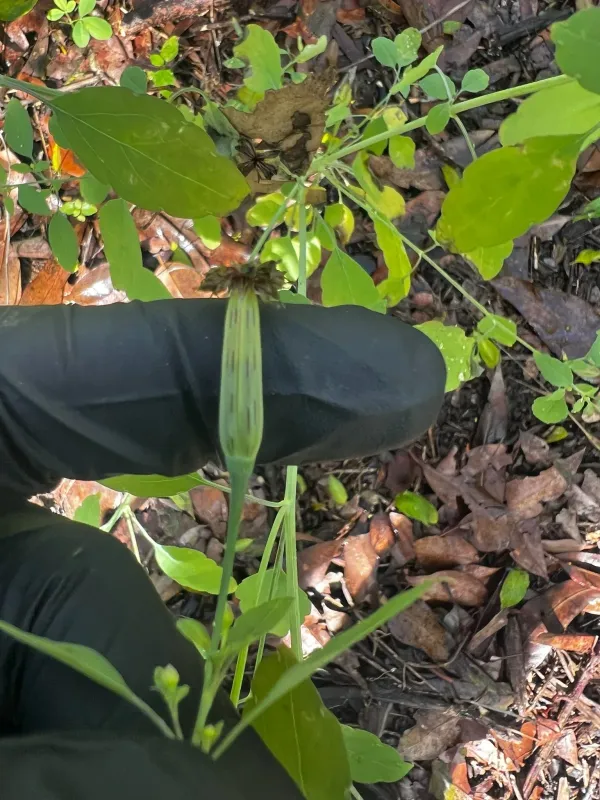
Description
Sowing dates
Porophyllum ruderale, commonly known as Papalo, is a heat-loving plant originating from tropical regions. The ideal time for sowing seeds outdoors is after the risk of frost has passed and soil temperatures have reached at least 15-20 degrees Celsius.
Starting the plants indoors is recommended for a longer growing season. Seeds should be sown in containers 4-6 weeks before the final transplant date. Providing ample light is essential during the seedling stage to prevent leggy growth.
Seeds are quite small and should be covered with only a thin layer of soil or light medium, roughly 0.5–1 centimeter deep. Maintaining moisture is critical until germination, which typically occurs within two weeks under stable conditions.
Transplanting seedlings into the garden requires careful spacing, ideally 35-40 centimeters apart. This spacing allows for proper air circulation, which is vital to prevent fungal issues in the dense foliage that the plant develops.
Succession planting is possible throughout the warmer months to ensure a continuous supply of fresh leaves. As a fast-growing annual, it responds well to being planted in blocks for better harvest efficiency.
Growing requirements
As a member of the Asteraceae family, this plant thrives in full sun exposure. It requires at least 6-8 hours of direct sunlight daily; otherwise, the flavor intensity of the leaves diminishes significantly.
Well-drained soil is non-negotiable for this species. It prefers sandy or loamy textures that do not retain excess water, as the roots are highly susceptible to rot if left in waterlogged conditions.
Watering should be deep but infrequent, allowing the top layer of soil to dry out between sessions. While the plant shows some drought tolerance once established, consistent moisture is required for the best culinary quality of the foliage.
The plant is highly sensitive to cold; even a light frost will kill the entire above-ground portion of the plant. In cooler climates, it must be grown as an annual or treated as a greenhouse crop to survive outside the summer heat.
Low to moderate fertilization is sufficient. Excessive nitrogen application promotes rapid growth but often leads to lower concentrations of the essential oils responsible for the plant's unique coriander and citrus-like aroma.
Yield
The yield of Porophyllum ruderale is highly dependent on how the plant is managed. Regular harvesting of the upper leaves encourages the plant to branch out, creating a bushier habit and increasing the overall leaf production.
Initial harvests can typically begin about 60-80 days after sowing. By removing flower buds as soon as they appear, the gardener can divert the plant's energy into vegetative growth, significantly prolonging the harvest period.
Productivity is measured by the total weight of fresh foliage harvested over the season. In optimal conditions, a single healthy plant can produce a substantial amount of greens if the growing season is long and warm enough.
Quality control is vital; the best-tasting leaves are usually the younger, more tender ones near the tips of the stems. Older leaves tend to become tougher and have a more pungent, potentially bitter taste.
This crop is highly prized in niche markets for its distinct flavor profile. Proper handling after harvest, such as keeping it cool, is necessary to ensure the greens reach the consumer in their best condition.
Main diseases and pests
The plant is naturally equipped with potent essential oils that act as a deterrent for many common garden pests. This trait makes it a relatively low-maintenance option for organic herb gardens.
However, in stagnant air conditions or high humidity, powdery mildew may develop on the leaves. Proper spacing and site selection for maximum airflow are the most effective preventive measures against this disease.
Aphids can occasionally colonize the tender new growth at the tips of the stems. If detected early, they can be managed using natural soap sprays or by simply trimming off the affected tips.
Root rot is the primary physiological threat if the drainage is poor or if the plant is overwatered. Improving soil structure with organic matter or adding sand can help mitigate these risks significantly.
Slugs and snails can be a problem for young seedlings in wet weather. Using simple barriers like crushed eggshells or copper tape around the planting site can help protect the young plants during their most vulnerable stage.
Harvesting
Harvesting is best done in the early morning when the essential oil content is at its peak. The leaves or entire stems should be cut cleanly to encourage the plant to sprout new shoots from the nodes.
Because the leaves are thin and delicate, they wilt rapidly after harvest. Keeping the stems in a glass of water or storing them in a sealed container in a refrigerator will help maintain freshness for a few days.
For long-term storage, drying the leaves in a cool, dark, and well-ventilated space is recommended. Sunlight should be avoided to prevent the loss of aroma and the degradation of the plant's green color.
If seeds are required for future seasons, select the most vigorous plants and allow the flowers to mature fully. The seeds are light and fluffy, designed for wind dispersal, so harvest them just as the pappus begins to dry.
Stored dried leaves should be kept in airtight containers away from direct light. While dried leaves lose some of the complexity of the fresh aroma, they remain a very useful condiment in various culinary preparations.