
Porophyllum gracile
Porophyllum gracile
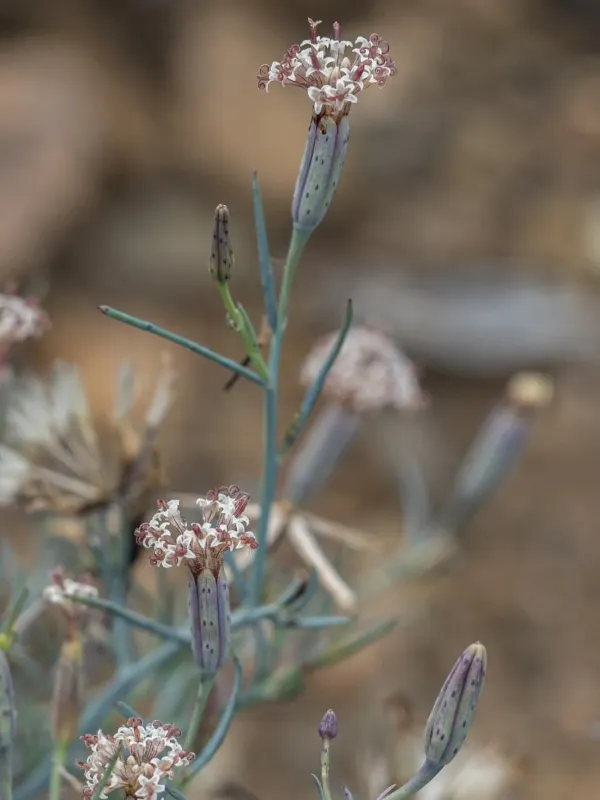
Description
Sowing dates
Porophyllum gracile is a plant adapted to arid environments, and successful sowing depends on achieving high soil temperatures, ideally above +20°C.
Seeds should be sown on the surface of a well-draining, sandy substrate, as they require light to break dormancy and initiate germination.
When starting in cooler regions, greenhouse cultivation or the use of germination mats is recommended to maintain the consistent warmth needed for seedling development.
Space the plants approximately 30-40 cm apart to ensure adequate airflow, which is critical for preventing fungal diseases in the early stages of growth.
Direct seeding in the field should only occur once all danger of frost has passed and the soil has sufficiently warmed up.
Growing requirements
Belonging to the Asteraceae family, this species thrives in desert-like conditions, demanding full sun exposure to produce its characteristic aromatic compounds.
The soil must be extremely porous and well-draining; heavy or clay-rich soils will lead to root rot and immediate failure of the crop.
It prefers a neutral to slightly alkaline pH and does not require high levels of soil nutrients, as it is naturally adapted to poor, rocky substrates.
Water management is the most critical aspect of its agronomy: the plant should be watered sparingly, allowing the soil to dry out completely between irrigations.
High humidity and poor ventilation are detrimental to Porophyllum gracile, making it unsuitable for areas with high rainfall or heavy atmospheric moisture.
Yield
The economic value of this crop is derived from its aromatic foliage, which is harvested for culinary use due to its unique, intense flavor profile.
Yield is highly dependent on light intensity; plants grown in optimal sunny conditions produce significantly more essential oils than those in shaded areas.
Regular but moderate harvesting of the upper shoots can encourage lateral branching, effectively increasing the total biomass harvested per plant.
Avoid excessive use of nitrogen fertilizers, as they prioritize rapid vegetative growth at the expense of the concentration of essential oils in the leaves.
Commercial yields are measured by the quality of the dried leaf matter, which must retain its pungent aroma to be marketable.
Main diseases and pests
The primary threats to Porophyllum gracile are soil-borne pathogens associated with waterlogging and high humidity, specifically root and crown rot.
In enclosed environments like greenhouses, spider mites can become a significant issue during periods of high temperature and dry air.
While the plant's strong aroma acts as a natural deterrent, aphids may occasionally infest young, succulent shoot tips during the spring growth phase.
Effective disease management is almost entirely preventative, focusing on strict drainage control and ensuring adequate spacing between plants.
Chemical control should be avoided or used with extreme caution, as any residue can contaminate the aromatic oils that define the product's quality.
Harvesting
Harvesting should occur during the early morning hours, as this is when the concentration of essential oils within the leaf tissue is at its daily maximum.
Carefully prune the top portions of the stems, ensuring that the lower woody structure remains intact to allow for subsequent regrowth and multiple harvests.
Harvested material must be dried in a shaded, well-ventilated area to prevent the degradation of volatile components caused by direct UV radiation.
Properly dried leaves should be stored in airtight, opaque containers away from heat sources to maintain their freshness for up to a year.
The success of the harvest is determined by the sensory qualities of the leaves, specifically the pungency and clarity of their distinct herbal fragrance.