
Porophyllum lanceolatum
Porophyllum lanceolatum
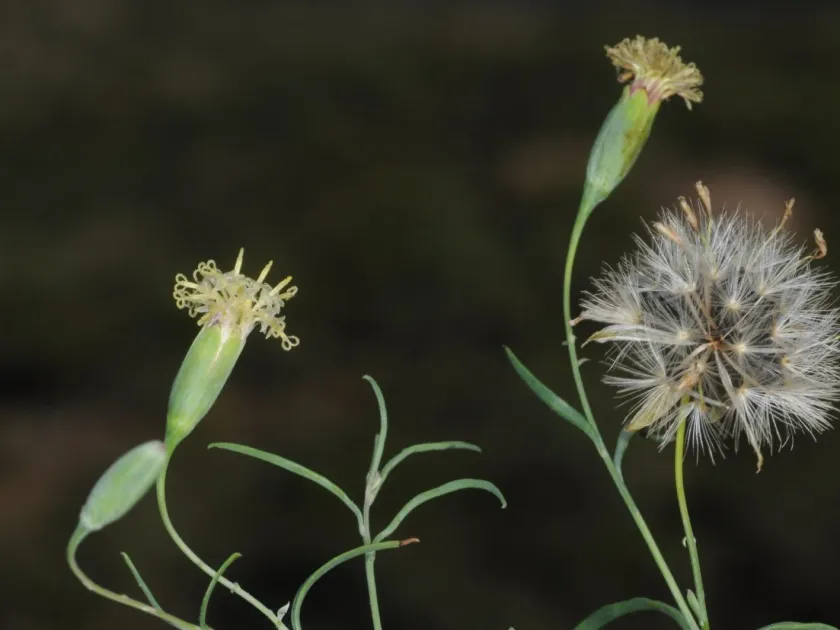
Description
Sowing dates
Porophyllum lanceolatum is a thermophilic crop, requiring well-warmed soil for successful germination. Sowing in open fields should only occur when soil temperatures consistently reach +15°C to +18°C, ensuring the risk of late spring frosts has fully passed.
For more efficient production, starting seeds in a greenhouse or indoor environment is highly recommended. Seeds are typically sown 6 to 8 weeks before the last frost date, using light, well-draining seed-starting mixes to promote rapid root development.
When transplanting seedlings to the field, maintaining proper spacing is crucial for airflow. Rows should be spaced 45–50 cm apart, with individual plants placed 30 cm apart to allow each specimen enough room to mature without competing for resources.
Successive sowing can be practiced in warmer climates to maintain a continuous supply of fresh leaves throughout the growing season. Each new sowing should be managed with adequate watering to support germination during the warmer months.
Early-stage growth requires consistent light. If natural sunlight is insufficient during the nursery phase, supplementary grow lighting should be utilized to prevent leggy growth and ensure strong, stocky transplants that establish quickly upon transplanting.
Growing requirements
Belonging to the Asteraceae family, Porophyllum lanceolatum is native to tropical and subtropical American regions. It thrives in environments with high levels of solar radiation, which is necessary for the optimal synthesis of its characteristic essential oils.
The ideal soil profile for this crop is light, sandy, or well-drained loam with a neutral to slightly acidic pH. Poorly draining soils must be avoided, as the root system is highly sensitive to waterlogging, which often triggers fatal root rot.
Watering management should focus on keeping the soil moist but not waterlogged. Drip irrigation systems are the most effective method for this crop, as they allow for precise moisture delivery directly to the root zone while keeping the foliage dry.
Nutrient requirements are moderate. Excessive nitrogen fertilization can lead to vigorous leaf growth but may dilute the concentration of flavor-enhancing aromatic compounds, reducing the quality of the harvested herb.
Wind protection is an often overlooked but important requirement. Given the somewhat fragile nature of its stems, planting in sheltered areas or using windbreaks can prevent physical damage, especially during the peak of the growth cycle.
Main diseases and pests
Aphids and spider mites are the most significant pests affecting Porophyllum lanceolatum. These insects thrive in dry, warm conditions and can quickly colonize the undersides of leaves, causing yellowing and a significant loss in leaf quality.
Fungal diseases, particularly root rots and powdery mildew, present a major threat if humidity levels are poorly controlled. Maintaining adequate spacing and ensuring good airflow between plants are the primary preventive strategies against these pathogens.
Nematode infestations can occur in soils that have been used for intensive cropping without proper rotation. Avoiding the monoculture of Asteraceae species in the same plot for consecutive years helps in breaking the pest life cycle.
Integrated Pest Management (IPM) is strongly advised. Because the leaves are primarily consumed raw as a garnish or flavor component, the use of harsh synthetic pesticides is discouraged, with preference given to biological control agents.
Routine scouting is essential to identify early pest activity. Swift intervention, such as pruning affected parts or applying organic insecticidal soaps, can usually manage small outbreaks before they spread throughout the entire crop production area.
Harvesting
Harvesting is typically done on a selective basis, plucking leaves or cutting young stems once the plant reaches a sufficient size, usually 60 to 80 days after planting. This method encourages the plant to continue producing new shoots.
The best time to harvest is during the early morning hours. During this period, the plant tissue is fully turgid, and the concentration of volatile aromatic compounds is at its daily peak, ensuring the best culinary profile for the consumer.
Post-harvest handling is critical for maintaining quality. The harvested herb should be cooled immediately and stored in high-humidity conditions at +2°C to +4°C to preserve freshness and prevent the leaves from wilting or losing aroma.
Culinary uses for Porophyllum lanceolatum are diverse, as it is prized for its unique flavor profile, often compared to a blend of cilantro and rue. It is increasingly used in gourmet cooking, high-end restaurant menus, and for producing artisan herb extracts.
As a niche crop, it offers excellent market potential for small-scale farmers and specialty herb producers. Focusing on high-quality, sustainably grown produce allows growers to command premium prices in local culinary markets and among home chefs.