
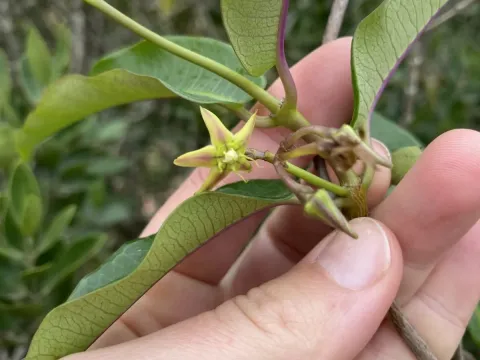
Petopentia
Petopentia
Propagation of Petopentia, notably Petopentia natalensis, is typically achieved through seeds or stem cuttings. Seed sowing is best performed in the spring in a well-draining, porous substrate mix.
What the section contains

Petopentia
Seeds should be pressed gently into the medium and kept in a warm environment (around 22–26°C). A plastic cover helps maintain the necessary humidity levels during the germination phase.
When propagating via cuttings, it is crucial to allow the cut end to callous for several days before planting. This step is essential to prevent fungal infections at the site of the cut.
The cuttings should be placed in a sandy, slightly moist medium. Rooting typically occurs within a few weeks, provided the temperature remains steady and bright indirect light is available.
Once roots are established, the young plant can be moved to a permanent pot. Gradual adjustment to lower moisture levels is recommended as the plant matures.
Petopentia is a member of the Apocynaceae family and is recognized for its thick, woody caudex. It is native to South Africa, thriving in rocky environments with periods of seasonal drought.
The plant requires bright, filtered sunlight to maintain its structural integrity and promote healthy growth. Direct intense summer sun may require slight shading to prevent scorching of the leaves.
A specialized succulent potting mix is required for success. It should consist largely of mineral components such as perlite, pumice, or lava rock to ensure excellent drainage.
Watering should be done with caution. During the growing season, allow the soil to dry out completely between waterings to simulate the plant's natural habitat cycle.
In winter, the plant enters a dormancy period. During this time, water should be significantly reduced or suspended, and temperatures should be kept cool, ideally between 12–15°C.
The most significant threat to Petopentia is root rot, which is almost exclusively caused by overwatering. A damp, cold soil environment can cause the caudex to collapse very quickly.
Spider mites are common pests, especially in indoor conditions with low humidity. They can cause discolouration of the foliage and stunt the overall growth of the plant.
Mealybugs are another potential issue, often colonizing the crevices of the caudex or the undersides of the leaves. They should be managed with manual removal or appropriate insecticides.
To prevent disease, ensure proper air circulation around the plant. Avoid overcrowding in the greenhouse or windowsill, as stagnant air promotes the development of fungal spores.
If rot is detected, surgery is necessary. Cut away the infected section until healthy tissue is reached, treat the area with a fungicide or sulfur powder, and repot in fresh, dry soil.