
Petopentia undulata
Petopentia undulata
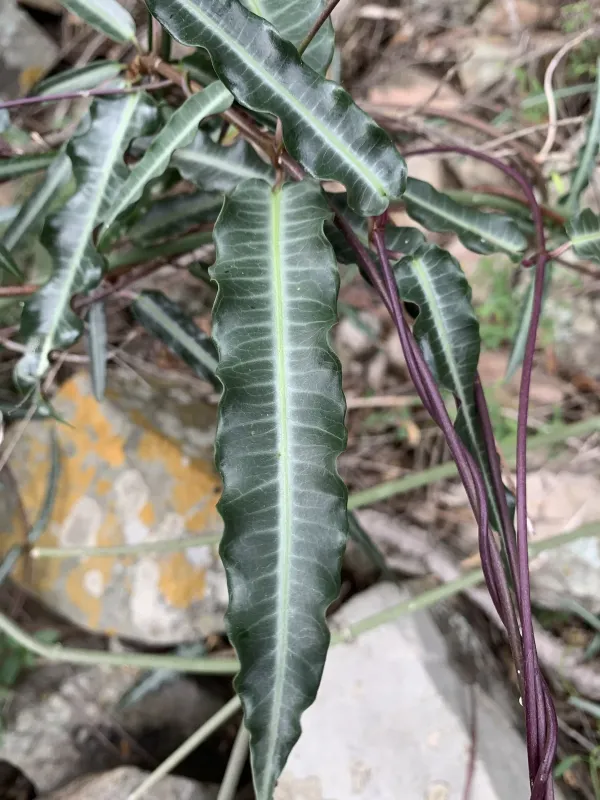
Description
Sowing dates
Propagation of Petopentia undulata is typically achieved through seeds sown during the spring season. Warm temperatures are essential to trigger germination and ensure healthy development of seedlings.
Use a porous, well-draining seed-starting mix to ensure sufficient aeration. Cover the seeds lightly and maintain high humidity by using a propagation tray with a clear plastic cover or dome.
The optimal germination temperature is between 22°C and 25°C. Consistent warmth combined with filtered light encourages rapid development of the root system and early true leaves.
Gradually reduce humidity once germination occurs to harden off the seedlings. Careful handling is required to avoid damaging the delicate caudex that starts forming in the early stages.
Transplanting the seedlings into individual pots should be done with care to avoid root disturbance. The plants grow slowly, so patience is key during the first two years of development.
Growing requirements
Petopentia undulata belongs to the Apocynaceae family and is native to South Africa. It is highly sought after by collectors for its attractive, wavy foliage and the characteristic swollen stem known as a caudex.
This species requires bright, indirect light to maintain its compact growth habit and leaf coloration. Direct afternoon sun can easily damage the leaves, especially in indoor environments.
A well-draining soil mix is mandatory for this species. A blend of high-quality potting soil mixed with pumice, perlite, or lava rock ensures that the root zone receives sufficient oxygen and dries out properly.
During the growing season, water the plant thoroughly when the soil has completely dried out. Always empty the drainage tray to prevent excess moisture from accumulating around the roots.
- Light: Bright, indirect sunlight.
- Watering: Wait until soil is dry.
- Temperature: Warm summers, cool winters.
- Soil: Gritty, well-draining mix.
- Dormancy: Reduce watering in winter.
Main diseases and pests
The main pests that affect Petopentia undulata include spider mites and mealybugs. These pests hide in crevices, particularly where leaves join the stem, making regular inspections essential.
Rot is the most severe threat to the caudex. Overwatering, especially during the dormant winter period, leads to fungal infections that rot the inner tissues of the plant.
If pests are present, use insecticidal soap or specific systemic pesticides to manage the population. Ensure the plant is not under stress, as healthy plants have better natural defenses.
Preventative care is the best strategy against diseases. Maintain good ventilation and avoid wetting the caudex directly during watering to minimize the risk of bacterial or fungal colonization.
In cases of severe root rot, the plant must be removed from the soil and damaged roots trimmed away. Let the wound dry for several days before repotting in fresh, sterile substrate.