
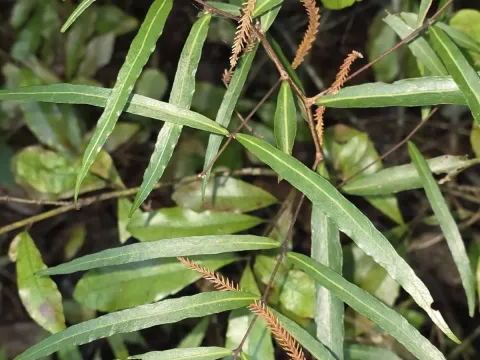
Mida
Mida
Propagating Mida (Mida salicifolia) typically involves seed sowing or stem cuttings, which are the primary methods for expanding the population.
What the section contains

Mida
Seeds should be planted in a well-drained, sterile substrate to prevent damping-off diseases during the initial germination phase.
Stem cuttings are often taken during the late summer using semi-hardwood material to ensure better success rates for new plant establishment.
Maintaining consistent moisture levels and providing bright, indirect light are essential for the survival of young, developing Mida plants.
Seedlings should be carefully transplanted into larger containers as they grow to accommodate their specialized root structures before permanent placement.
Mida is a member of the Santalaceae family and functions as a hemiparasitic shrub or small tree native to New Zealand.
The plant requires well-drained, nutrient-rich soil that allows for gas exchange, which is critical for its health and overall development.
Sunlight exposure is crucial, as the species performs best in locations that receive full sun for the majority of the day.
As a hemiparasite, the Mida requires an association with a host plant to supplement its nutrient uptake, which is a key part of its biological cycle.
The climate should be moderate, avoiding extremes in temperature, as the plant is not frost-tolerant and thrives in temperate maritime conditions.
Fungal infections are a significant threat, often exacerbated by stagnant air and waterlogged soil conditions within the root environment.
Sap-sucking insects like aphids are common pests that can hinder growth and cause leaf curling if left untreated over long periods.
Root rot is a major risk factor if the irrigation schedule is too aggressive, leading to the rapid decline of the plant's health.
Lack of a suitable host plant can cause the Mida to remain stunted, making it more vulnerable to secondary environmental stresses.
Integrated pest management strategies should be employed to ensure the health of the plant while maintaining ecological balance.