
Mida salicifolia
Mida salicifolia
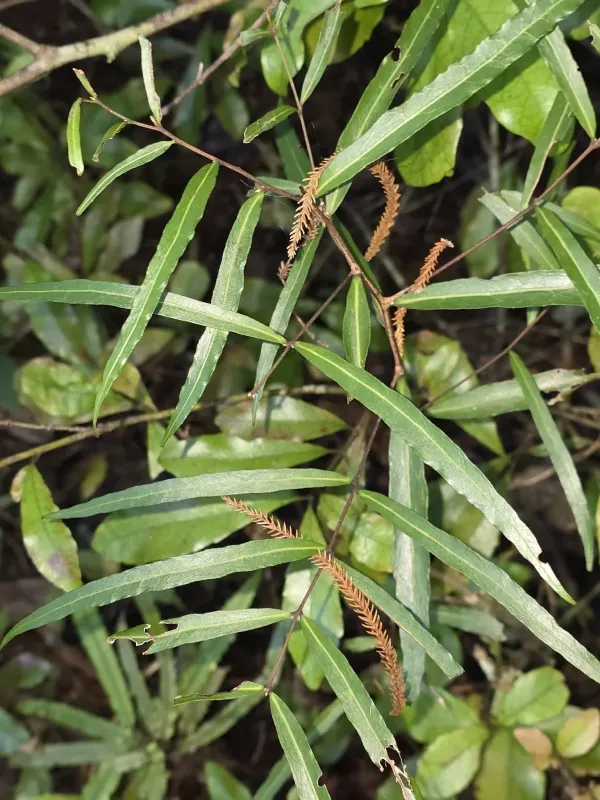
Description
Growing requirements
Mida salicifolia is a fascinating woody plant belonging to the Santalaceae family, native to the forests of New Zealand. Known locally as the willow-leaved Mida, it exhibits unique ecological adaptations that define its cultivation requirements.
As a hemiparasitic shrub or small tree, it performs its own photosynthesis while simultaneously tapping into the roots of neighboring plants to obtain additional water and nutrients. This biological interaction is crucial for the plant's long-term health and growth vigor.
Optimal growth conditions involve well-drained, nutrient-rich soil substrates that support both the Mida and its host plants. Overly heavy or compacted soils should be avoided to prevent root diseases and ensure proper gas exchange.
The climate requirements include temperate conditions, protected from harsh frost and extreme winds. In nursery settings, providing a consistent environment with moderate humidity helps maintain the plant's physiological stability during the establishment phase.
In terms of agricultural and horticultural use, the species is primarily valued for its distinct botanical properties and its role in maintaining diverse forest ecosystems. It remains a subject of study for conservationists and enthusiasts of rare endemic flora.
Main diseases and pests
The primary threat to the health of Mida salicifolia includes root pathogens, which are often exacerbated by poor drainage and excessive soil moisture. Root rot can severely disrupt the parasitic link, leading to rapid decline.
Insect pests such as leaf-eating caterpillars can inflict significant damage on the foliage, particularly in younger specimens. Integrated pest management strategies that focus on biological control are generally preferred for this species.
Introduced mammals, such as possums, pose a significant threat in its native habitat by stripping bark and consuming foliage. Protecting young plants with physical barriers is often a necessary measure in cultivation.
Weed competition is another critical factor. Removing competing vegetation ensures that the host plants, which Mida depends on, receive adequate resources, thereby indirectly supporting the growth of the Mida itself.
Regular sanitation, including the removal of infected branches and the monitoring of soil health, helps maintain the longevity of the plant and prevents the spread of localized diseases across the plantation.