
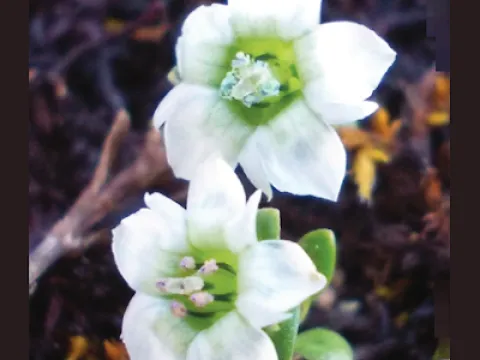
Kuepferia
Kuepferia
Kuepferia is a genus within the Asteraceae family, known for its specific ecological niche. Successful cultivation begins with understanding that these plants are adapted to high-altitude or specialized environments, necessitating precise sowing conditions.
What the section contains
Kuepferia
The optimal sowing time is typically during the early spring, once the risk of severe ground frost has passed. Seeds require a well-prepared seedbed that is both fertile and structurally light to facilitate germination.
For better results, cold stratification is often recommended to simulate natural conditions, which significantly improves the germination rate of Kuepferia seeds. Sowing should be shallow, as these seeds require exposure to indirect light to emerge effectively.
The layout of the planting area should provide sufficient spacing between individual plants. Adequate air circulation is crucial to prevent the onset of humidity-related issues, which are common in dense plant populations.
Soil preparation should focus on achieving an ideal granular structure. A mix of organic matter and mineral components provides the necessary nutrition for the plant's establishment in the early stages of its growth cycle.
Kuepferia demands a well-drained soil profile. It is highly intolerant of waterlogging, which can quickly lead to root decay. Sandy or rocky substrates that mimic their natural habitat are often the most successful choice for commercial cultivation.
Climatic requirements center around temperate conditions with high levels of solar exposure. While the plant can withstand cool temperatures, it requires protection from excessive heat and prolonged humidity, which can stress the plant tissue.
Irrigation practices must be conservative. Relying on deep watering rather than frequent light sprinkling helps encourage deep root growth and minimizes the risk of leaf diseases caused by standing moisture on the foliage.
Nutrient management involves applying balanced fertilizers, with a slight emphasis on potassium to strengthen cell walls. Over-fertilization with nitrogen should be avoided to prevent weak, succulent growth that is susceptible to environmental stress.
Regular maintenance, including weeding and monitoring soil compaction, ensures that the plants remain healthy. Keeping the area surrounding the base of the plant free of debris reduces the microclimatic humidity that pests often favor.
Root rot, primarily caused by fungal pathogens such as Pythium or Fusarium, is the most significant threat to Kuepferia. These diseases flourish in poorly drained soils where stagnant water remains at the root level for extended periods.
Pests like spider mites and aphids pose a risk, particularly during dry spells. These pests can weaken the plant by feeding on sap, leading to stunted growth and potentially facilitating the entry of secondary viral infections.
Slugs and snails can cause substantial damage to tender foliage during the wet season. Implementing physical barriers, such as copper tape or crushed eggshells, can provide effective protection for younger plants.
Proper sanitation of garden tools is essential to prevent the spread of diseases within the crop. Implementing a rotation strategy where the plant is not grown in the same location year after year helps disrupt the cycle of soil-borne pests.
Vigilance and early identification of symptoms are key to successful disease control. By observing the plant for discolored leaves or signs of wilting, growers can intervene quickly and preserve the overall viability of the planting.