
Hyacinthella
Hyacinthella
Hyacinthella is a genus of small, bulbous perennial plants within the Asparagaceae family. These plants are characterized as spring ephemerals, meaning their active growing and flowering cycle is completed within a few weeks early in the season.
What the section contains


Hyacinthella
The native range of this genus spans across the Mediterranean region, the Balkans, Turkey, and the Caucasus. They primarily inhabit open, rocky slopes and calcareous grasslands where seasonal moisture is available but drainage is rapid.
For successful cultivation, Hyacinthella requires well-draining, sandy or gritty soil. They are highly intolerant of waterlogged conditions, which is especially critical during their summer dormancy period when bulbs remain sensitive to rot.
Regarding climate, these plants need a cool, moist spring followed by a hot, dry summer. This climatic rhythm triggers the biological processes of flowering and subsequent bulb ripening, which is essential for the following year's performance.
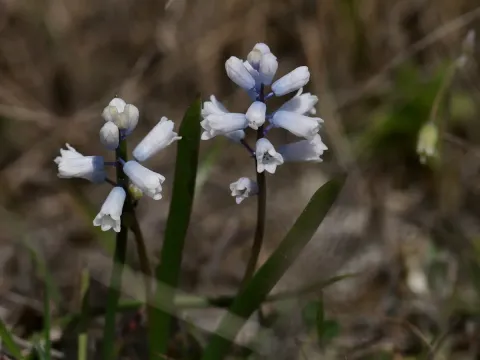
Botanically, they are recognized by their raceme of small, bell-shaped or tubular flowers in shades of blue and violet. They serve as excellent choices for rock gardens, gravel beds, or containers where environmental factors can be strictly managed.
The primary threats to Hyacinthella are fungal pathogens such as Botrytis and Fusarium species. These usually thrive in poorly drained environments, leading to soft rot of the bulb and root system.
Pests such as the onion fly larvae and various bulb mites can significantly impair plant growth by consuming internal bulb tissues, leading to stunted or failing plants.
Integrated pest management strategies should focus on selecting healthy, clean bulbs for planting and ensuring that the planting site has optimal aeration to prevent moisture buildup.
Fungicide treatments, applied either as a pre-planting soak or as a preventative spray during the early growth stage, can provide a significant layer of protection against soil-borne infections.
Regular visual inspection of the plant during the short growing period is vital. Any signs of yellowing or wilting should be addressed immediately by inspecting the root zone and removing potentially infected materials.