
Hyacinthella leucophaea
Hyacinthella leucophaea
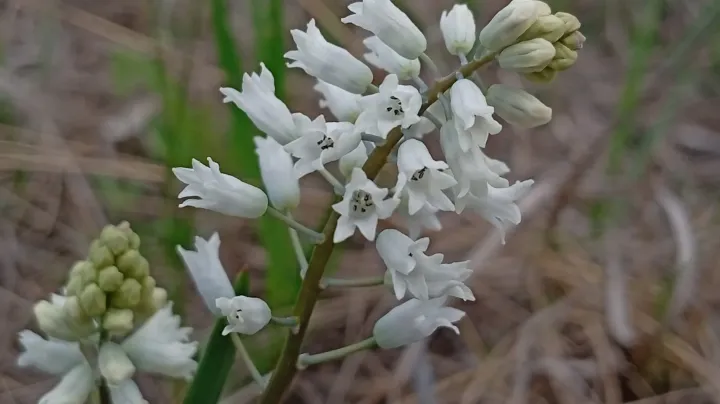
Description
Growing requirements
Hyacinthella leucophaea is an elegant bulbous perennial belonging to the Asparagaceae family. This species is native to the steppe regions and stony hillsides of Southeastern Europe, where it thrives in well-drained, nutrient-poor soils.
In a garden setting, this plant requires a sunny location to ensure proper development and flowering. It is a true spring ephemeral, completing its growth cycle before the summer drought begins.
The soil must have excellent permeability. If the soil is too heavy or waterlogged, it is advisable to incorporate coarse sand or grit into the planting hole to prevent the bulbs from rotting during the winter months.
Regarding climate, the plant is remarkably hardy. It adapts well to environments with distinct cold winters and dry springs, which mimic its natural habitat in the wild.
Maintenance is minimal. Once established, the bulbs require very little intervention, provided they are not crowded by aggressive weeds or competing ground cover that might block sunlight during their active growth phase.
Main diseases and pests
The primary threats to Hyacinthella leucophaea are fungal pathogens, specifically those causing basal rot. These fungi thrive in cool, damp conditions, making drainage the most critical factor for plant health.
Pests such as bulb mites are significant threats as they can bore into the bulb tissue. Infestations often go unnoticed until the plant fails to emerge or shows signs of stunted, distorted growth.
To mitigate the risk of pest and disease outbreaks, always source healthy, firm bulbs without signs of mechanical damage or mold. Inspection prior to planting is a mandatory practice.
Cultural control includes avoiding excessive irrigation during the dormancy period. Keeping the soil relatively dry during the hot summer months prevents the activation of dormant spores.
For chemical protection, professional growers may apply preventive fungicide dips before autumn planting to establish a protective barrier against soil-borne pathogens during the critical root-forming stage.