
Hyacinthella
Hyacinthella hybrids
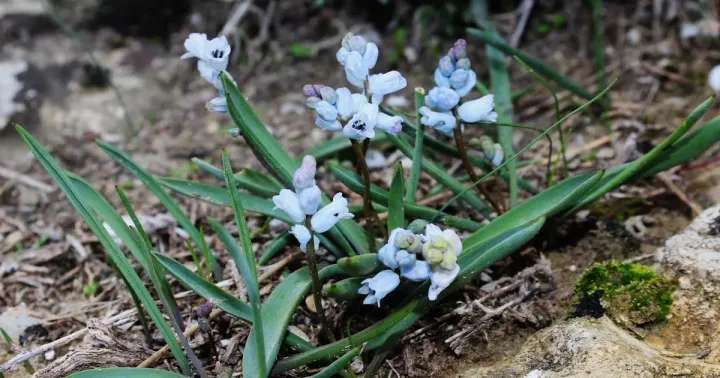
Description
Growing requirements
Hyacinthella is a genus of small bulbous perennials belonging to the Asparagaceae family. These plants are native to the diverse landscapes of Southeastern Europe, the Caucasus, and Asia Minor, typically thriving in rocky slopes and mountain meadows.
Botanically, these plants are known for their short stature, usually reaching heights between 5 and 15 centimeters. They produce slender leaves and spikes of small, bell-shaped flowers that range in color from deep violet-blue to lighter shades of azure.
To cultivate Hyacinthella successfully, gardeners must provide well-draining, gritty soil conditions. Because the bulbs are prone to rot, ensuring that excess moisture can drain away easily, especially during the dormant summer period, is critical for plant health.
The plant requires full sun exposure during the spring growing season to ensure robust flowering. While they are cold-hardy, in areas prone to harsh, snowless winters, applying a light layer of mulch will help protect the bulbs from extreme temperature fluctuations.
Hyacinthella is primarily used for ornamental purposes in rock gardens, raised beds, or at the front of sunny borders. Its early flowering time makes it an excellent choice for adding early color to the landscape when most other plants remain dormant.
Main diseases and pests
The most significant threats to Hyacinthella are fungal infections, such as bulb rot, which are often exacerbated by poor drainage and waterlogged soil. Proper soil preparation and the addition of coarse sand are essential prevention strategies.
Pests like bulb mites and various insect larvae can damage the root systems and bulbs, weakening the plant. Pre-planting treatment with systemic insecticides or fungicides is highly recommended to establish a healthy start for the bulbs.
Rodents such as mice and voles often pose a challenge, as they find the bulbs to be an attractive food source, particularly during winter. Utilizing wire baskets or protective mesh at the time of planting can effectively mitigate this damage.
Viral pathogens can cause stunted growth or foliage discoloration, which are often irreversible conditions. Once a plant shows clear symptoms, it should be removed and discarded to prevent the spread of the virus to healthy specimens.
Effective management also involves regular weeding to ensure good airflow around the foliage. By keeping the planting site clean and avoiding overcrowding, gardeners can significantly reduce the pressure from both diseases and common garden pests.