
Hyacinthella pallasiana
Hyacinthella pallasiana
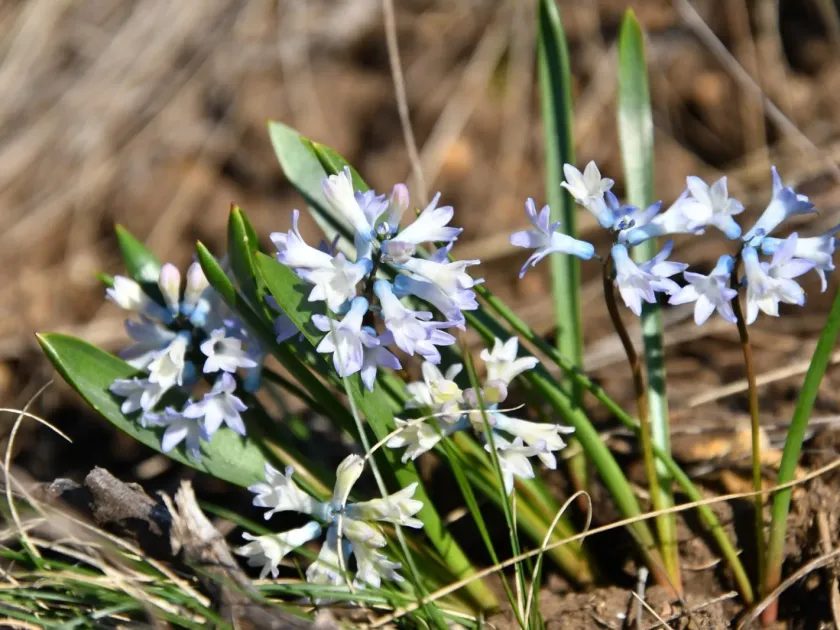
Description
Growing requirements
Hyacinthella pallasiana is a bulbous herbaceous plant belonging to the Asparagaceae family. It is a specialized spring-flowering ephemeroid native to steppe regions, characterized by its rapid life cycle geared towards the dry and warm conditions of late spring.
The plant features small, ovoid bulbs and produces a basal rosette of narrow leaves. Its inflorescence is typically a dense raceme of small, bright violet-blue flowers, which are highly attractive to early spring pollinators.
Successful growth requires well-draining, loose, and slightly alkaline soils. The plant is inherently adapted to survive in areas with distinct seasonal patterns, necessitating a dry dormant period during the heat of the summer months.
Agrotechnical requirements focus on site selection: the plant should be placed in open, sunny locations where the soil remains warm and does not retain excess moisture during the dormant phase.
In terms of usage, this species is strictly ornamental and is largely found in specialized collections or botanical gardens. It is not considered a mass-market agricultural crop due to its biological rarity and slow reproduction rate.
Main diseases and pests
The primary threats to Hyacinthella pallasiana are fungal pathogens, specifically those causing basal rot, which develop rapidly if the drainage system is inadequate or if the soil stays wet for too long.
Root mites pose a significant danger to the bulb material, often infesting bulbs that are already stressed by poor environmental conditions or improper storage during the dormant season.
Aphids can cause damage during the active growing season, particularly by clustering on the flower spikes, which stunts growth and reduces the quality of seed production.
Inconsistent winter temperatures can disrupt the plant's natural rest cycle, making the bulbs more susceptible to frost damage or premature sprouting followed by frost kill.
Aggressive weed species can effectively crowd out the small plants, depriving them of the necessary sunlight and soil nutrients required for the bulbs to store energy for the following year.