
Hyacinthella dalmatica
Hyacinthella dalmatica
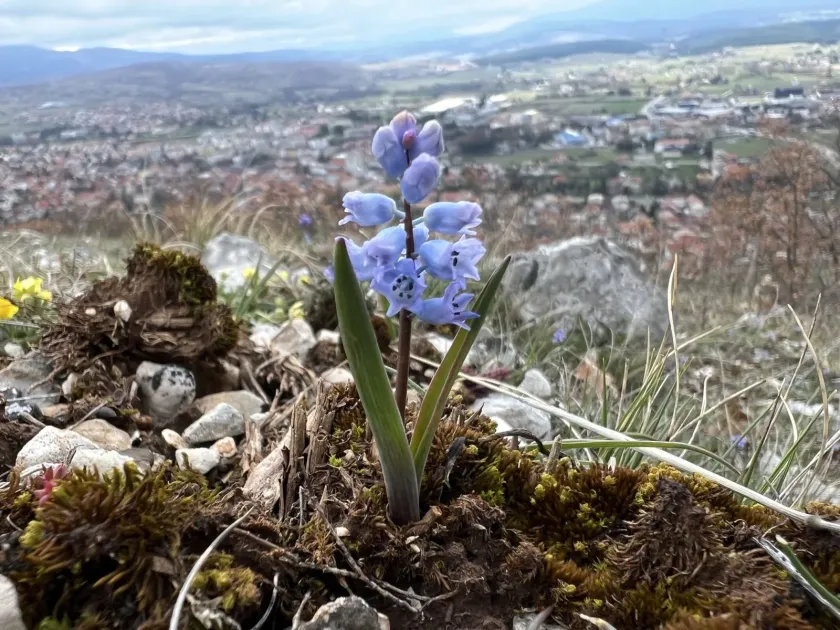
Description
Sowing dates
Planting of Hyacinthella dalmatica bulbs is typically performed in the autumn season. September and October are the ideal months to ensure the bulbs establish a strong root system before the onset of the winter dormant period.
When propagating via seeds, sow them immediately after maturation in well-drained containers. Seedlings require a period of stratification to break dormancy, mimicking the natural climatic cycles of their native Balkan habitat.
The planting depth should be approximately three times the diameter of the bulb, usually ranging from 5 to 8 centimeters. Proper depth ensures that the bulb remains insulated from extreme temperature fluctuations in the soil during winter.
Select a planting location that receives full sun in early spring but may be partially shaded by deciduous trees later in the season. This allows the plants to complete their active growth cycle before canopy closure.
Spacing between bulbs should be kept at 10 to 15 centimeters. This distance is sufficient to allow for the natural formation of offsets while ensuring proper air circulation to minimize the risk of moisture-related issues.
Growing requirements
Hyacinthella dalmatica is a member of the Asparagaceae family. This delicate bulbous perennial is native to the rocky and stony landscapes of the Dalmatian region, where it has evolved to thrive in nutrient-poor but well-draining substrates.
Soil requirements focus primarily on drainage. In gardens with heavy clay soils, it is imperative to amend the substrate with grit, perlite, or sand to prevent bulb rot, which is the primary cause of failure in cultivating this species.
The preferred soil pH for this culture is neutral to slightly alkaline. It does not tolerate highly acidic conditions, which can inhibit the uptake of necessary trace minerals required for healthy foliage and vibrant bloom production.
Climate adaptability is dictated by its Mediterranean origin. It requires a cool, moist spring followed by a warm, dry summer. If the summer environment is excessively wet, the bulbs may need to be lifted and stored in a dry place.
Minimal fertilization is required for this plant. A light application of well-balanced, slow-release organic fertilizer at the beginning of the growth season is often sufficient to support the plant's metabolic needs during its short vegetation period.
Main diseases and pests
Fungal pathogens such as Fusarium oxysporum are the most significant threat to Hyacinthella dalmatica. These fungi typically attack the basal plate of the bulb, leading to wilting and eventual death of the plant during the spring.
Root mites and aphids can become problematic during the initial stages of growth. Regular inspection of the foliage and bulbs during the dormant season helps in identifying infestations before they cause irreversible structural damage.
Slugs and snails can severely damage emerging shoots in early spring. Protective measures, such as copper tape or physical barriers, are recommended in regions with high humidity to keep these pests away from the tender leaves.
Environmental stress, such as waterlogging during the dormant summer phase, often mimics disease symptoms. Proper identification is crucial; if the leaves turn yellow prematurely, one should check the moisture level of the soil immediately.
To ensure long-term health, always source bulbs from reputable growers to avoid introducing viral infections. Practice good garden hygiene by removing and disposing of any decayed plant material at the end of the season to reduce inoculum loads.