
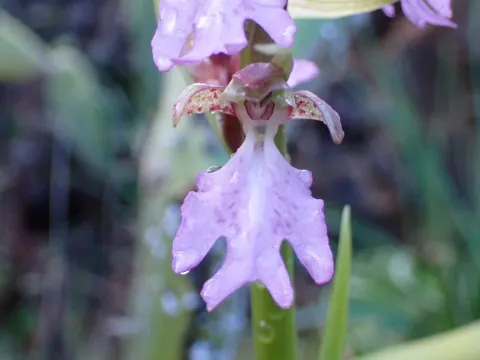
Himantoglossum
Himantoglossum
Himantoglossum is a genus within the Orchidaceae family, characterized by its long, strap-shaped labellum, which gives it the common name lizard orchid. It is not an agricultural crop but rather a wild species of significant botanical and ecological importance.
What the section contains
 Adriatic lizard orchid
Himantoglossum adriaticum
Adriatic lizard orchid
Himantoglossum adriaticum
 Giant Orchid
Himantoglossum robertianum
Giant Orchid
Himantoglossum robertianum
 Himantoglossum calcaratum
Himantoglossum calcaratum
Himantoglossum calcaratum
 Himantoglossum comperianum
Himantoglossum comperianum
Himantoglossum comperianum
 Himantoglossum formosum
Himantoglossum formosum
Himantoglossum formosum
 Himantoglossum montis-tauri
Himantoglossum montis-tauri
Himantoglossum montis-tauri
 Lizard orchid
Himantoglossum hircinum
Lizard orchid
Himantoglossum hircinum
Himantoglossum
The native range of these orchids spans the Mediterranean basin, Europe, and parts of Western Asia. They primarily thrive in open, calcareous grasslands and scrublands that provide excellent drainage and specific soil mineral profiles.
Botanically, these plants are perennial herbs that rely heavily on mycorrhizal fungi for germination and nutrient uptake. This obligate symbiosis makes them extremely difficult to cultivate outside of their native, undisturbed habitats.
Climatic requirements involve stable temperatures and seasonal moisture patterns. They are adapted to climates with dry, dormant summer periods and active vegetative growth during the cooler, wetter months of the year.
Agricultural efforts to manage or mass-produce Himantoglossum are non-existent, as these plants are protected by law across many countries. Any attempt at cultivation requires specialized conditions that mimic natural, limestone-rich ecosystems.
The primary threats to the survival of Himantoglossum include habitat destruction, urban expansion, and modern farming techniques that promote land clearing. Loss of traditional pastoral landscapes is particularly detrimental.
Typical threats include herbivory by snails and slugs, which can consume developing inflorescences. Fungal root rot is a common pathogen when plants are exposed to poor drainage or excessive soil moisture during their dormant phase.
Agricultural usage is strictly prohibited due to the rarity of the species. The plants are essential components of biodiversity and are prioritized for habitat preservation rather than industrial or commercial application.
The application of chemical fertilizers and herbicides in proximity to these plants is highly destructive. These chemicals disrupt the soil fungal networks that are absolutely essential for the orchid's long-term survival.
Sustainable conservation management focuses on maintaining existing grasslands through controlled, low-impact grazing, which prevents woody encroachment while avoiding damage to the delicate orchids hidden in the turf.