
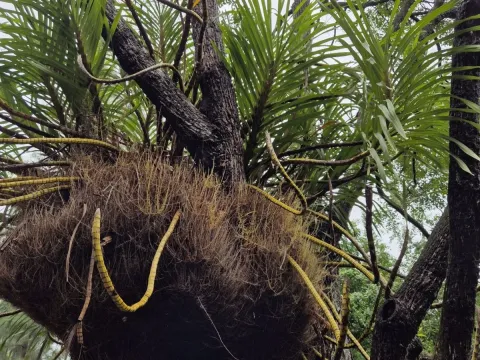
Grammatophyllum
Grammatophyllum
Grammatophyllum is a genus of large epiphytic and lithophytic orchids belonging to the Orchidaceae family. These plants are native to the tropical regions of Southeast Asia, including parts of Indonesia, Malaysia, and the Philippines.
What the section contains


Grammatophyllum
Botanically, they are characterized by their robust, cane-like pseudobulbs and long, leathery leaves. Some species are famously known as the largest orchids in the world, often producing massive sprays of flowers that are highly valued in ornamental horticulture.
To cultivate these orchids successfully, they require bright, diffused sunlight. While they need significant light intensity for bloom induction, exposure to harsh midday sun must be filtered to prevent tissue scorching.
Environmental conditions should mimic their natural tropical habitat, requiring consistent warmth throughout the year. Temperatures between 22°C and 30°C are ideal, while humidity levels must be kept consistently high.
The substrate must prioritize excellent drainage and aeration. A mix of large-grade orchid bark, charcoal, and inorganic additives like expanded clay pebbles helps prevent root rot and provides the necessary stability for the plant's massive size.
The most common pest threats to Grammatophyllum include spider mites and scale insects, which often colonize the underside of leaves and the junction of the pseudobulbs.
Mealybugs are also persistent pests that thrive in warm, humid conditions, hiding in tight crevices where they are difficult to reach with standard contact treatments.
Root decay is a primary concern for growers, usually stemming from over-watering or the use of decomposed organic media that prevents oxygen from reaching the roots.
Fungal diseases, such as Anthracnose or leaf spotting, can manifest if moisture lingers on the foliage for extended periods without adequate air circulation.
Effective management involves regular scouting for early signs of infestation, using horticultural oils for mild cases, and implementing systemic pesticides for severe outbreaks.