
Geodorum
Geodorum
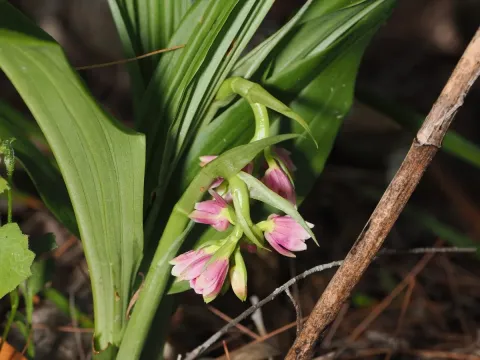
Geodorum is a genus of terrestrial orchids belonging to the Orchidaceae family. These plants are primarily native to tropical regions of Asia, Australia, and the Pacific islands, where they thrive in the leaf litter and organic-rich soil of tropical forests.
What the section contains


Geodorum
The genus is characterized by its distinct pseudobulbs that grow partially underground or at the surface. These structures function as storage organs, allowing the plant to store nutrients and water, which is a vital evolutionary adaptation for enduring seasonal drought conditions.
When cultivating Geodorum, the choice of growing medium is paramount. A mixture consisting of peat, bark, and perlite is recommended to ensure excellent drainage. Without proper aeration, the fleshy roots are highly susceptible to rot, which is a common failure point for novice growers.
Optimal growth requires high humidity levels and filtered light. Direct sun exposure should be strictly avoided to prevent leaf scorching. In indoor environments, mimicking the dappled light of the forest floor provides the best conditions for vegetative development and flower initiation.
Temperature management is crucial, with a preference for warm conditions, ideally between 20°C and 28°C. During the dormant period, when the foliage begins to wither, it is necessary to reduce watering drastically to prevent the pseudobulbs from decaying during their rest phase.
Fungal infections pose the most significant threat to the health of Geodorum. These are usually caused by an incorrect irrigation regime, resulting in high soil moisture levels that foster pathogenic activity. Maintaining a consistent drying period between waterings is essential.
Pests such as spider mites, mealybugs, and scale insects can also affect the plants, especially in environments with poor air circulation. Regular monitoring of the foliage and implementing preventive measures, such as maintaining cleanliness, helps in managing these potential outbreaks effectively.