
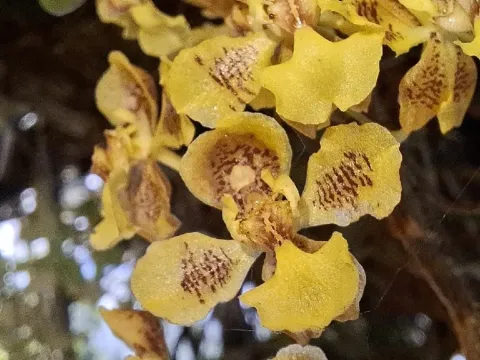
Gomesa
Gomesa
Gomesa is a genus of epiphytic and lithophytic plants belonging to the Orchidaceae family. Naturally occurring in the tropical rainforests of South America, particularly Brazil, these orchids have adapted to life on tree trunks and rocky surfaces, absorbing moisture and nutrients from the surrounding environment.
What the section contains


Gomesa
To successfully cultivate Gomesa, it is essential to replicate its natural tropical environment. The ideal temperature range is between 18–24°C during the day, with a necessary drop of several degrees at night to stimulate growth and flowering. High atmospheric humidity, ideally above 60%, is crucial for the health of the plant.
The substrate must be specifically designed for epiphytic orchids, emphasizing excellent aeration and drainage. A mixture containing pine bark, perlite, charcoal, and sphagnum moss is highly recommended. Because the root system is highly sensitive to waterlogging, pots must have substantial drainage holes to prevent rot.
Gomesa requires bright, filtered light to thrive. Direct sunlight, especially during midday, can damage the leaves, so positioning the plant in a spot with soft, indirect light is best. Supplemental LED lighting may be necessary in winter months to maintain the required light intensity for the plant's metabolic processes.
Watering should be done carefully, allowing the substrate to partially dry out between sessions. This approach mimics the natural cycle of wet and dry periods experienced by orchids in the wild. Using distilled or filtered water is preferred, as these plants can be sensitive to heavy minerals and chlorine in tap water.
Common pests that affect Gomesa include spider mites, mealybugs, and scale insects. These pests often proliferate in dry air conditions. Regular inspection of the undersides of leaves and leaf axils is necessary to catch infestations early, followed by treatment with insecticidal soaps or systemic pesticides.
Root rot is the most prevalent disease, typically caused by overwatering or using an improperly draining medium. To minimize the risk of bacterial and fungal infections, it is important to ensure proper air circulation around the plant and to avoid splashing water onto the pseudobulbs during the watering process.