
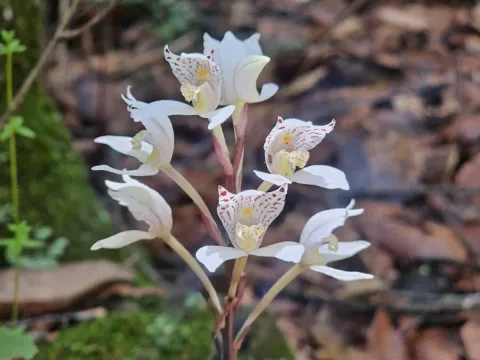
Govenia
Govenia
Govenia is a genus of terrestrial plants belonging to the Orchidaceae family. While not a commercial field crop, it is highly valued in specialized floriculture and professional greenhouse collections for its unique floral architecture.
What the section contains


Govenia
Propagation is typically achieved through division of the pseudobulbs or rhizomes during the start of the growing season. Seed propagation requires sterile laboratory conditions and specific symbiotic fungi to break dormancy and support germination.
The planting substrate must be loose, well-draining, and rich in organic matter. A professional mix often includes bark chips, perlite, and sphagnum moss to ensure optimal aeration for the root system.
Container cultivation is the standard method, allowing for precise control over the moisture level. Proper drainage holes are mandatory to prevent waterlogging, which is a frequent cause of mortality in these plants.
During the growing phase, plants require diffused light. Direct exposure to intense solar radiation can damage the foliage and dehydrate the plant, leading to significant physiological stress and reduced floral production.
Govenia is native to the tropical and subtropical regions of the Americas, with a range spanning from Mexico to parts of South America. Consequently, the crop requires stable environmental conditions to thrive.
An ideal temperature range is between 18°C and 25°C during the active growth phase. During the mandatory winter dormancy period, temperatures should be lowered to 12-15°C to encourage the development of future inflorescences.
Humidity is a critical factor for the health of Govenia. Ideally, humidity levels should be maintained between 60% and 75%. Automated misting systems are often used in commercial greenhouses to prevent drying out.
Watering should be frequent but measured. The substrate should be kept moist but never saturated. Using filtered or rain water is recommended to avoid the accumulation of mineral salts that could harm the delicate root structures.
Fertilization should be limited to the growth season. Using a balanced, low-nitrogen orchid fertilizer helps maintain vigor without promoting overly soft vegetative growth, which is susceptible to diseases.
Fungal infections are the primary threat to Govenia. Pathogens like Fusarium or Rhizoctonia thrive in poor ventilation and overly damp conditions, leading to rapid tissue decay and plant loss.
Pests such as spider mites and scale insects are common in controlled environments. They multiply rapidly under low-humidity conditions and require immediate chemical or mechanical intervention to prevent severe infestation.
Mealybugs are another common threat, often lodging in the leaf axils. They weaken the plant by extracting essential nutrients, which can lead to stunted growth and secondary viral issues.
Viral pathogens pose a significant risk, as they are often incurable. Signs such as chlorotic streaks or mosaic patterns on leaves necessitate the immediate quarantine and destruction of the infected plants.
Nutrient imbalance or improper pH levels in the substrate can lead to metabolic stress. This reduces the plant's natural resistance, making it more vulnerable to common horticultural pests and environmental pathogens.