
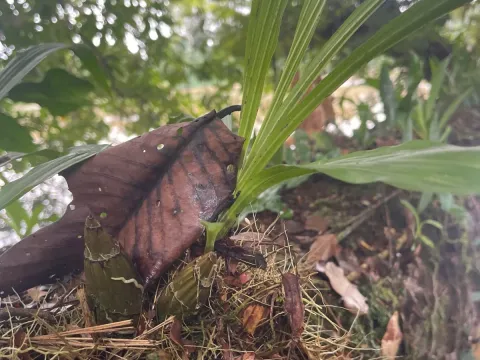
Graphorkis
Graphorkis
Graphorkis is a genus of epiphytic and terrestrial plants belonging to the family Orchidaceae. These fascinating orchids are adapted to the specific microclimates of tropical forests, where they demonstrate unique morphological traits for survival in high-moisture environments.
What the section contains

Graphorkis
The native habitat of Graphorkis is primarily located in Madagascar and parts of Africa. In these regions, they typically grow on tree trunks or in humid pockets of decaying organic matter, reflecting their evolutionary journey as specialized tropical epiphytes.
The temperature requirements for this culture are consistent with tropical conditions, favoring a range between 20 and 28 degrees Celsius. Maintaining high humidity is essential; levels should ideally stay between 70 and 80 percent to prevent dehydration and support metabolic functions.
For cultivation, a specialized potting substrate is vital to ensure proper root aeration. A mix consisting of pine bark, charcoal, sphagnum moss, and coconut husks is highly recommended to replicate the natural environmental conditions these plants encounter in the wild.
Bright, diffused light is the optimal lighting condition for Graphorkis. While these plants require significant light energy for growth, they must be protected from intense, direct sunlight, which can cause severe physiological stress and leaf tissue damage.
The most common threats to Graphorkis are fungal and bacterial infections triggered by improper watering practices. Over-saturation of the potting mix leads to root rot, which is the primary cause of plant death in indoor orchid collections.
Common pests such as spider mites are a major concern, particularly in environments with poor air circulation and low humidity. These pests damage the foliage, causing a decline in the plant's ability to perform photosynthesis effectively.
Mealybugs and scale insects represent additional risks, often hiding in the crevices of the pseudobulbs. These insects sap the plant's vitality, necessitating regular monitoring and, when needed, the application of targeted horticultural insecticides.
Lack of airflow is a critical factor that encourages the development of mold and mildews. It is essential to ensure a gentle breeze or constant air movement around the plants to maintain a healthy and dry leaf surface environment.
Regular sanitation of gardening tools is a crucial preventive measure against the spread of viral pathogens. Always disinfect shears and other equipment between handling different plants to maintain the health and integrity of your orchid collection.