
Dendrophylax
Dendrophylax
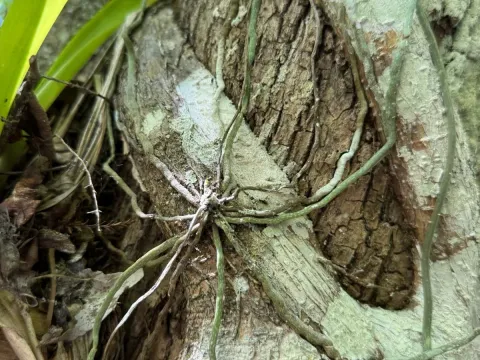
Dendrophylax is a genus of leafless epiphytic orchids belonging to the Orchidaceae family, natively found in tropical and subtropical regions, particularly known for its specialized root structure.
What the section contains


Dendrophylax
The plant lacks leaves entirely, and all photosynthetic processes are performed by its roots, which are typically flattened and attached to the bark of host trees in its natural environment.
For successful cultivation, the plant requires very high atmospheric humidity and constant, gentle airflow to prevent the roots from remaining wet for too long while ensuring proper hydration.
Dendrophylax thrives in stable warm environments with filtered, indirect light, as direct exposure can easily damage its sensitive photosynthetic root tissue.
Cultivation involves mounting the plant on specialized organic supports, such as cork or tree fern slabs, which allow the roots to anchor firmly and receive sufficient nutrients from misting.
The primary threats to this genus in cultivation include fungal root rot and bacterial infections, which occur when moisture levels are improperly managed or ventilation is insufficient.
Pests such as scale insects and mealybugs represent significant dangers, as they can cause extensive damage to the roots, directly affecting the plant's ability to produce energy.
Water quality is critical; the use of water with high mineral content can cause salt buildup on the roots, severely inhibiting their physiological functions and causing tissue damage.
Poor circulation often leads to stagnation, creating an environment that favors the rapid spread of pathogens, which can destroy the root system in a very short period.
Environmental stress, such as drastic fluctuations in temperature or humidity, significantly lowers the plant's resilience, making it more susceptible to opportunistic diseases.