
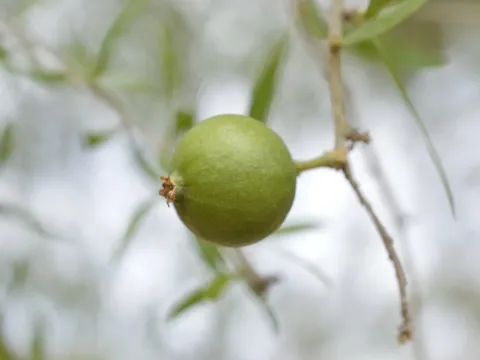
Acanthosyris
Acanthosyris
Acanthosyris is a genus of evergreen trees and shrubs belonging to the Santalaceae family. Native to South America, particularly regions within Argentina, Brazil, and Paraguay, these plants are well-adapted to subtropical forest ecosystems where they occupy specific ecological niches.
What the section contains


Acanthosyris
The botanical classification of Acanthosyris defines it as a hemiparasitic plant. This means that while the plant possesses green leaves and performs photosynthesis, it also relies on establishing root connections with host plants through specialized structures called haustoria to obtain essential nutrients and water from the soil.
Successful cultivation of this species requires well-drained, nutrient-rich soil and a climate free from severe frost. The plant prefers environments with high humidity and consistent rainfall, mirroring the conditions of its natural tropical habitat, while also necessitating exposure to filtered or full sunlight.
Agronomic practices for Acanthosyris involve the careful selection of appropriate host plants. In an orchard or garden setting, the health of the host is paramount, as the Acanthosyris specimen draws its resources from the host's root system, making ecosystem synergy a key factor in long-term growth.
Economically, the genus is valued for its edible fruits, which are traditionally consumed in its native range. Furthermore, its dense, evergreen foliage and unique growth habit make it a candidate for specialized landscape gardening and ecological restoration projects in subtropical climates.
The primary threats to Acanthosyris health include root fungal pathogens, often triggered by waterlogged soil conditions. Ensuring proper drainage is the most effective preventative measure against root rot, which can prove fatal to hemiparasitic species that depend on root contact with hosts.
Insect pests, specifically sap-sucking insects like scales and aphids, are known to target young shoots and leaves. Regular monitoring of the canopy is essential to prevent large-scale infestations that could lead to stunted growth and reduced fruit production during the harvest season.