
Acanthosyris falcata
Acanthosyris faclata
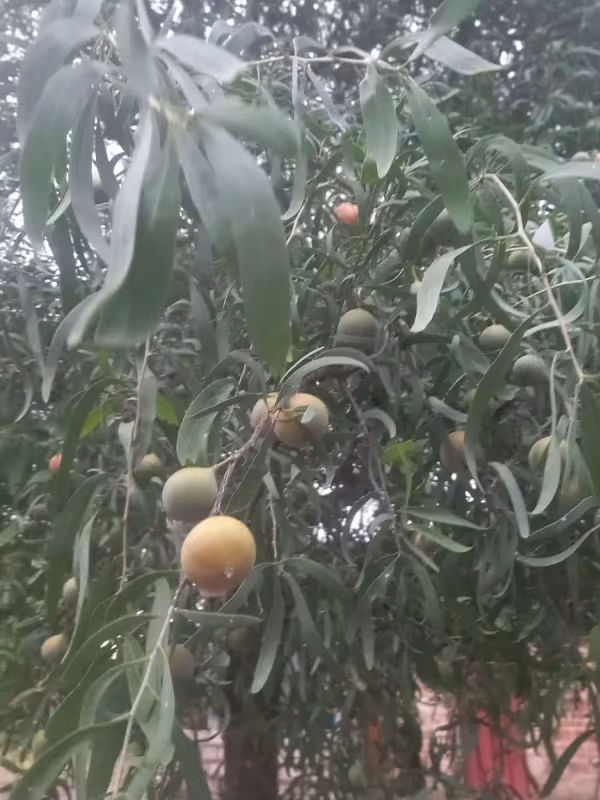
Description
Growing requirements
Acanthosyris falcata is a notable member of the Santalaceae family, native to the tropical and subtropical forests of South America. This species is recognized for its unique biological characteristics within its natural habitat in Brazil and Argentina.
To cultivate this plant, one must provide well-drained, fertile soil that mimics the rich forest floor. The soil should remain consistently moist but never waterlogged to ensure healthy development of the root system.
Environmental requirements include a stable, warm climate. The tree is sensitive to extreme frost, making it ideal for tropical greenhouse environments or regions where the winter temperature rarely drops near freezing levels.
Agricultural management involves regular weeding and mulch application to keep the roots cool and moist. As a facultative hemiparasite, the tree thrives best when planted in proximity to compatible host vegetation.
Propagation is primarily done via seeds, which should be sown fresh to ensure higher germination rates. Protecting seedlings from intense direct sunlight during their early growth stages is essential for their success.
Yield
The fruit of Acanthosyris falcata is highly regarded for its distinct flavor profile, which makes it an interesting crop for niche food markets. Although not mass-produced, it is a significant local resource.
Productivity increases significantly once the tree reaches maturity, typically after 5–8 years. Providing adequate sunlight and proper soil nutrition during the growing season directly correlates to higher yield quantities.
Harvesting is performed manually to maintain the integrity of the fruits. Proper post-harvest handling ensures that the fruit maintains its quality for use in local culinary preparations and fresh consumption.
Besides the fruits, the wood is noted for its density and high quality, making it useful for local woodworking and artisanal crafts. The durability of the timber adds to the overall economic value of the tree.
Ongoing research focuses on selecting superior genotypes that offer better fruit yield and resilience to local pests. Sustainable harvesting practices are encouraged to ensure the longevity of these trees.
Main diseases and pests
Fungal infections remain the primary threat to Acanthosyris falcata, especially in regions with high humidity. Ensuring proper airflow through pruning is vital to prevent leaf and branch diseases.
Insect pests, including various species of aphids and spider mites, can hinder the plant's health. Integrated pest management strategies are recommended to keep the population levels under control.
Environmental stress, such as prolonged waterlogging, can lead to root rot. Careful monitoring of the soil moisture levels is necessary to prevent these serious agricultural issues from occurring.
Deforestation and habitat loss are major threats to the survival of this species in its native range. Protecting the remaining wild populations is crucial for maintaining genetic diversity.
Nutrient deficiencies, specifically related to micronutrients, can impact the tree's health. Periodic soil testing and balanced organic fertilization help mitigate these problems effectively.