
Tomato bushy stunt virus
Tomato bushy
Tomato bushy stunt virus (TBSV) is the type species of the genus Tombusvirus within the family Tombusviridae. It is a non-enveloped, positive-sense single-stranded RNA virus known for its remarkable stability in the environment.
What the section contains
Tomato bushy stunt virus
The virus particles are isometric, approximately 30 nm in diameter. Due to the lack of a lipid envelope, TBSV is resistant to many environmental stressors, including various common disinfectants and fluctuations in temperature.
Unlike many other plant viruses, TBSV does not have a specific insect vector. Its primary mode of dissemination is mechanical, occurring through contaminated soil, irrigation water, and the use of tools that have been in contact with infected plant tissues.
The virus has a wide host range, infecting various solanaceous crops as well as numerous ornamental species and some woody plants. It primarily replicates in the host cytoplasm, quickly achieving systemic infection via the phloem.
Biological persistence in the soil allows the virus to remain infectious for years. This makes it a serious long-term threat in greenhouse operations where rotation is limited or substrate is reused without proper sterilization.
The primary agricultural impact of TBSV is observed in tomato production, where it causes significant stunting and loss of fruit quality. It also affects peppers, potatoes, grapevines, and various ornamental flowers like petunias.
Economic damage stems from the reduction in marketable yield. Infected plants often produce deformed, necrotic, or unevenly colored fruits, making them completely unsuitable for commercial sale.
In high-density greenhouse environments, the virus can spread rapidly during pruning or harvesting if sanitation protocols are neglected. This can lead to a total loss of productivity for the affected blocks of plants.
For ornamental crops, the damage is aesthetic, as the virus causes floral deformities and leaf chlorosis, rendering the stock unusable for the market. In perennial hosts like grapes, it leads to chronic decline and loss of vigor over time.
Early-stage infection in seedlings is particularly devastating, often leading to total stunting and the failure of the plant to enter the generative stage. This makes the screening of transplant material critical for disease management.
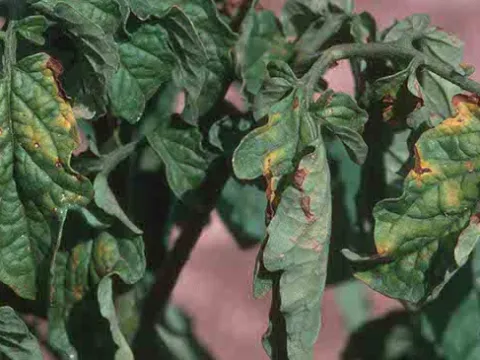
The most diagnostic sign is the severe shortening of internodes, which results in a stunted, bushy appearance of the entire plant. Leaves are typically reduced in size, showing mosaic patterns, chlorosis, or necrotic spotting.
Fruit symptoms include uneven ripening, necrotic lesions, and deep pitting. The fruit surface often becomes distorted or bumpy, which is highly characteristic of the TBSV infection in tomatoes.
Systemic necrosis can occur at the apical meristem, leading to the termination of the main growing point. This often forces the plant to produce numerous side shoots, further contributing to the bushy growth habit.
- Drastic reduction in internode length (rosetting).
- Mosaic chlorosis and necrotic leaf spotting.
- Fruit deformation, pitting, and uneven ripening.
- Stunted plant growth and development.
- Premature flower and fruit drop.
Symptoms are often exacerbated by high temperatures or other environmental stressors. The appearance of the disease can vary depending on the host genotype, but the overall bushy morphology remains the most consistent indicator.
The most effective strategy for managing TBSV is strict sanitation. All tools used for pruning or cultivation must be sterilized with appropriate antiviral agents (e.g., sodium hypochlorite or specialized detergents) between rows.
Prompt roguing is essential; infected plants, including their root systems, should be removed and destroyed immediately. It is crucial to avoid any physical contact between infected material and healthy plants.
In greenhouses, soil-borne inoculum can be neutralized through steam sterilization or by switching to fresh, disease-free hydroponic substrates. Reusing soil without treatment is a major risk factor for recurring infections.
Weed control is a vital component of the strategy, as many common weeds can act as asymptomatic reservoirs for the virus, allowing it to survive during periods when the primary crop is not present.
Choosing resistant or tolerant cultivars is the preferred long-term approach. While no absolute immunity exists, current breeding programs focus on reducing viral susceptibility to ensure yield stability in infected environments.