
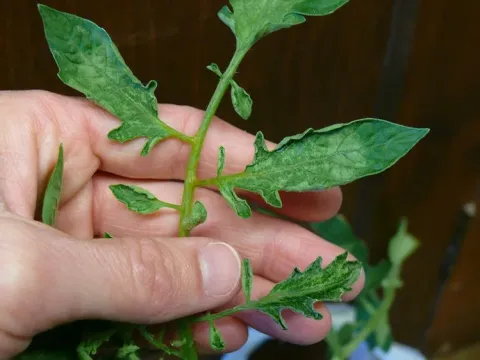
Tomato aspermy virus
Tomato aspermy
Tomato aspermy virus (TAV) is a plant pathogenic virus belonging to the genus Cucumovirus and the family Bromoviridae. It is a widespread pathogen affecting various horticultural and ornamental crops.
What the section contains
Tomato aspermy virus
The virus consists of spherical particles and a tripartite single-stranded RNA genome. Its high genetic variability allows it to infect a wide range of host plants, leading to severe agricultural issues.
In nature, TAV is primarily transmitted by aphids in a non-persistent manner. This means that aphids can pick up the virus from an infected plant after a very brief feeding period and transmit it to a healthy plant almost immediately.
Mechanical transmission is another significant pathway, often occurring during agricultural practices such as pruning, harvesting, or handling plants with contaminated tools.
Molecular detection methods, such as RT-PCR and ELISA, are the standard for accurate diagnosis, as the visual symptoms of TAV can overlap with those of other mosaic-inducing viruses.
While tomatoes are a major host, TAV also infects pepper, cucumber, tobacco, and various ornamentals, most notably chrysanthemums, which act as a reservoir for the virus.
The virus impacts tomato production by significantly reducing fruit size and quality. The fruit often fails to develop properly, leading to the condition known as "aspermy" (lack of seeds).
Infection leads to systemic distress in plants, resulting in stunted growth, reduced photosynthetic activity, and eventual decline in overall crop yield, causing significant economic losses.
Ornamental growers suffer from TAV because the virus causes deformation of flowers, which makes them commercially non-viable for floristry markets.
The virus is difficult to eradicate once it establishes in a greenhouse environment, necessitating strict quarantine and sanitation procedures to prevent further crop loss.
Initial infection symptoms include chlorotic spots and a mosaic pattern on leaves. Infected leaves often exhibit significant curling and may become narrow or thread-like.
The name "aspermy" refers to the primary sign on fruits, which is the absence or severe reduction of seeds. The fruits also become deformed, bumpy, and unevenly colored.
Plants affected by the virus often show signs of dwarfism, characterized by shortened internodes and a generally unthrifty appearance compared to healthy specimens.
Floral symptoms include the deformation of petals and improper development of flower buds, often leading to bud drop and failure of the plant to set fruit.
In chrysanthemums, the primary signs involve distortions in flower shape, loss of natural color intensity, and irregular petal development, rendering the plants unsuitable for sale.
Integrated pest management (IPM) focusing on aphid control is the most effective way to prevent the spread of TAV. Using insect screens and targeted insecticides helps minimize the vector population.
Strict sanitation protocols are essential; all tools used for pruning should be regularly disinfected with appropriate chemical solutions to prevent mechanical transmission of the virus.
Weed control in and around greenhouses is crucial, as many wild plants serve as alternative hosts for both the aphids and the virus during the off-season.
Early identification and rogueing of infected plants are necessary to stop the virus from spreading throughout the crop cycle. Once a plant is infected, there is no curative treatment.
Using resistant plant varieties is the best strategy for long-term management. Growers are advised to source certified virus-free seeds and seedlings to prevent the introduction of TAV into their farms.