
Tobacco vein distorting virus
Tobacco vein
Description
How to identify
Tobacco vein distorting virus (TVDV) is a phytopathogen belonging to the Potyvirus genus within the Potyviridae family. It is a filamentous virus that acts as an obligate parasite of various solanaceous plant species.
The virus is systemic, meaning it spreads throughout the entire host plant through the vascular tissue, causing physiological changes that severely impair the plant's normal growth processes.
Transmission occurs primarily through insect vectors, specifically aphid species, which feed on the plant sap and transmit the virus in a non-persistent manner during short probing sessions.
The viral genome consists of a single-stranded RNA molecule, which allows for rapid multiplication within host cells, especially under warm environmental conditions.
As a biological entity, TVDV relies entirely on the presence of susceptible hosts and active vectors, making the agroecosystem management of these two factors the primary focus of field monitoring.
What it damages
Tobacco is the primary crop affected by this virus. Infection leads to significant yield losses and a drastic reduction in the quality of tobacco leaves intended for industrial use.
The virus disrupts photosynthesis and nutrient distribution, leading to stunted growth, reduced leaf size, and severe distortion of the leaf lamina.
The quality of the cured tobacco is negatively impacted by the virus, as it alters the chemical composition, including sugar and alkaloid content, making the final product commercially inferior.
Infected plants are often weakened, making them susceptible to secondary infections by fungi and bacteria, which can cause total failure of the affected crops.
The economic impact is multifaceted, encompassing direct loss of biomass, degradation of product quality, and the high cost of pest control programs required to manage the vector population.
When it appears
The infection cycle typically begins in the spring, triggered by the migration of aphids from overwintering sites, such as weeds, to newly planted tobacco fields.
The spread of the virus peaks during dry and warm weather conditions, which are highly favorable for the proliferation and movement of aphid populations between plants.
Throughout the growing season, the virus spreads rapidly within rows, with new outbreaks forming as aphids move from infected plants to neighboring healthy ones.
By the end of the season, the virus moves into the rhizomes or tissues of perennial reservoir hosts, ensuring its survival during the colder months.
Preventive measures are most effective when implemented early in the season, before the aphid population reaches a threshold that facilitates rapid disease transmission.
Signs of infestation
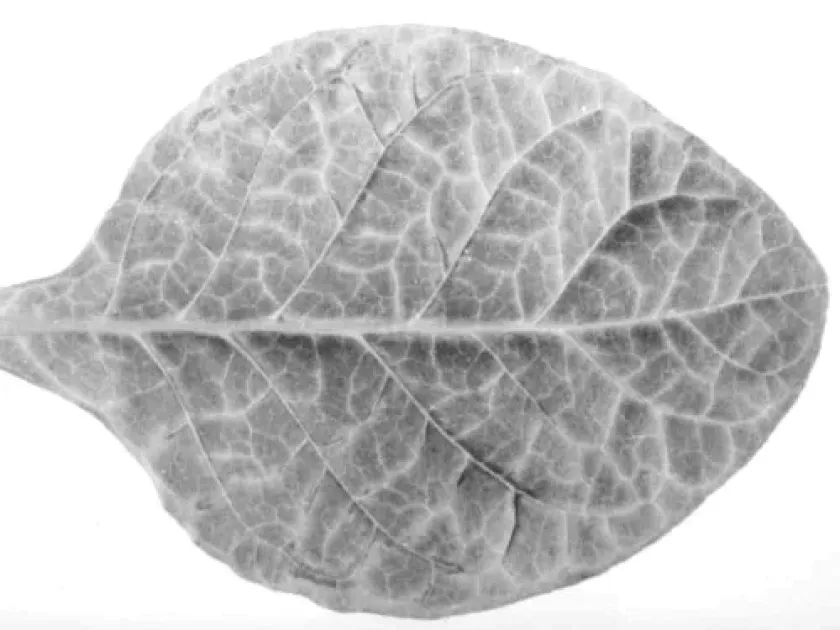
Initial symptoms are often characterized by vein clearing, where the small veins of young leaves appear lighter than the surrounding leaf tissue.
Leaf distortion is a hallmark sign; the leaves become wrinkled, blistered, or curled, and the margins may show significant irregularities compared to healthy foliage.
Stunting of the entire plant is commonly observed, often accompanied by shortened internodes and a general lack of vigor compared to unaffected plants in the same field.
In advanced stages, veins may appear thickened and discolored, often yellowish, creating a distinct contrast against the darkening leaf tissue.
Diagnostic identification is usually based on a combination of visual symptoms and, in cases of uncertainty, molecular laboratory techniques such as RT-PCR to confirm the presence of the viral RNA.
Control measures
Effective management requires a multi-pronged approach focused primarily on the control of aphid vectors through timely application of systemic and contact insecticides.
Sanitation practices are essential, including the removal and destruction of potential reservoir weeds in and around tobacco fields to eliminate early-season sources of the virus.
Implementing spatial isolation between different tobacco plantings helps to slow the movement of vectors and limits the overall spread of the virus across the farm.
Early identification and roguing (removal and destruction) of infected plants are critical steps in reducing the inoculum pressure within the field.
Promoting general plant health through balanced fertilization and proper irrigation helps crops withstand the stress of infection better than those grown in suboptimal conditions.
Causes diseases · 1
Discussion
No discussions yet — be the first.