
Togninia minima
Togninia minima
Togninia minima is an ascomycete fungus and a primary pathogen involved in the grapevine trunk disease (GTD) complex known as esca. It belongs to the Togniniaceae family and is characterized by its ability to colonize the xylem of woody plants.
What the section contains
Togninia minima
The fungus produces both asexual (conidial) and sexual (perithecia) reproductive structures. The conidia are the primary means of dispersal within a vineyard, often spread by rain splashes and wind currents that deposit spores into pruning wounds.
Its biological cycle is persistent, as the pathogen remains viable in dead or necrotic wood for extended periods. This allows it to serve as a constant source of inoculum within the vineyard environment.
Colonization is a slow process that involves the degradation of wood tissues. The pathogen secretes enzymes that break down lignin and cellulose, leading to the destruction of the plant's structural and transport capabilities.
Due to its latent nature, the fungus can reside in the grapevine for years without showing obvious external symptoms, making early detection extremely difficult for vineyard managers.
The primary host for Togninia minima is the grapevine (Vitis vinifera). The pathogen is notorious for causing complex diseases including esca, Petri disease, and the sudden-onset apoplexy syndrome.
The fungus has a broad host range and can infect various woody species, including olive trees, kiwifruit, and almond trees. This ability to survive on alternative hosts complicates management in polyculture areas.
Economic losses are severe, as the disease gradually reduces vine vigor, leads to lower fruit yields, and eventually results in the death of the entire plant. It is a major cause of vineyard decline worldwide.
Young vines are particularly susceptible to Petri disease, which causes stunted growth and reduced leaf development. This early-stage infection can compromise the entire lifespan and productivity of the vineyard block.
In older vines, the cumulative damage leads to structural failure of the trunk and cordons, forcing growers to remove and replace entire sections of the vineyard prematurely.
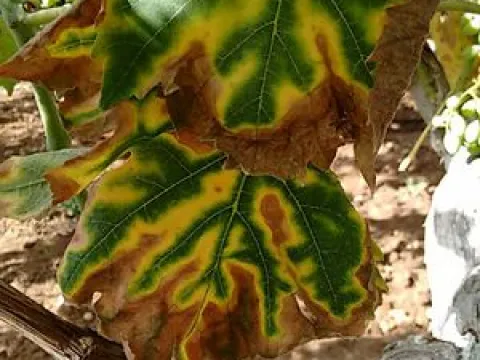
The characteristic leaf symptom, often called "tiger-striping," involves interveinal chlorosis followed by necrosis. These symptoms typically appear on older leaves during the peak of the growing season.
Internal symptoms are visible upon cross-sectioning the trunk. They appear as brown or dark-colored necrotic streaks in the vascular tissue, which may eventually become soft or spongy due to fungal decay.
The apoplectic form of the disease is a sudden and dramatic event. In hot weather, leaves and fruit clusters may wilt and dry out almost overnight, leading to the rapid death of the entire grapevine.
Affected vines often display an overall reduction in growth vigor, shorter internodes, and poor fruit ripening. These symptoms are signs that the hydraulic system of the vine has been significantly impaired.
- Interveinal chlorosis resulting in a tiger-stripe pattern.
- Brown necrotic lesions visible in internal wood tissues.
- Sudden wilting of leaves and fruit bunches (apoplexy).
- Decline in vine vigor and annual shoot growth.
- Brown streaking in cross-sections of the vine trunk.
Control of Togninia minima is challenging because the fungus resides deep within the wood, making it inaccessible to most contact or systemic fungicides used in standard viticulture.
Preventive measures are critical. This includes the use of high-quality, certified nursery stock to ensure that the vines are free from latent infections before they are even planted.
Pruning management is essential. Avoiding pruning during wet and rainy weather reduces the risk of spore infection. Applying wound protectants, such as specialized fungicides or sealing pastes, is a standard practice to cover fresh wounds.
Sanitation involves removing and destroying infected wood from the vineyard. Promptly cutting out and burning symptomatic branches can help limit the spread of inoculum to healthy vines.
Good viticultural practices that reduce plant stress, such as proper irrigation and balanced fertilization, are helpful. Healthy vines have better defense mechanisms and are more resilient against early-stage infections.