
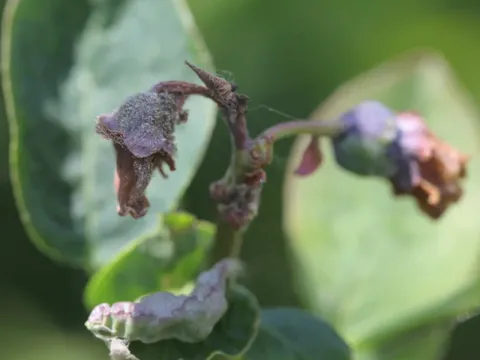
Tobacco ringspot virus
Tobacco ringspot
Tobacco ringspot virus (TRSV) is a plant pathogenic virus belonging to the genus Nepovirus within the Secoviridae family. It is a polyphagous pathogen capable of infecting a vast range of monocot and dicot plants, making it a significant concern for global agriculture.
What the section contains
Tobacco ringspot virus
The primary vector for TRSV in field conditions is the soil-inhabiting dagger nematode, Xiphinema americanum. These nematodes acquire the virus while feeding on infected roots and subsequently transmit it to healthy plants during further feeding cycles.
Transmission also occurs through seeds, which is a major pathway for long-distance dissemination. Additionally, the virus is spread via infected pollen; pollinating insects carry the virus to healthy flowers, leading to systemic infection of the developing plant.
Mechanical transmission is another critical route of spread, occurring through contaminated pruning tools, agricultural machinery, or contact between plants. Strict hygiene practices are essential to prevent the spread of the virus during routine field maintenance.
Accurate identification is typically achieved through enzyme-linked immunosorbent assay (ELISA) or reverse transcription-polymerase chain reaction (RT-PCR) methods. These diagnostic tests are crucial for regulatory bodies, especially in areas where TRSV is treated as a quarantine pathogen.
The damage caused by TRSV is primarily related to plant stunting, yield reduction, and poor fruit quality. In crops like soybeans, the virus causes severe "bud blight," where terminal buds die, often leading to total crop failure if infection occurs early.
In vineyards, the virus causes a progressive degeneration of vines, characterized by reduced vigor, poor shoot ripening, and thin, poorly developed grape clusters. Over time, affected vines suffer from reduced winter hardiness and eventually die.
Vegetable crops such as cucumbers and peppers exhibit significant deformity and mottling of fruits. This physiological damage renders the produce unmarketable, causing substantial economic losses for growers who rely on high-grade produce for fresh markets.
Ornamental and greenhouse crops are particularly susceptible, and infection often leads to severe aesthetic damage, making them unfit for sale. In these sectors, even a single infected plant can lead to the loss of entire batches due to strict biosecurity protocols.
The cumulative effect of TRSV infection includes reduced photosynthetic efficiency and metabolic disruption, which weakens the plant's overall resilience against environmental stresses like drought, heat, or secondary pathogen attacks.
The hallmark symptoms of TRSV infection include chlorotic rings, lines, or zig-zag patterns on the leaf surface. As the disease progresses, these areas can become necrotic, leading to leaf drop and a general sickly appearance of the plant.
Stunting is a very common manifestation of the virus, typically accompanied by shortened internodes and distorted foliage. The leaves may become puckered, asymmetric, or show mosaic-like coloration depending on the host species.
- Chlorotic rings and necrotic spots on foliage.
- Deformation and curling of young leaves and shoots.
- Blossom drop and failure of fruit set.
- General plant stunting and reduced vigor.
- Mottling and distortion of fruit surface.
It is important to note that symptoms can vary greatly depending on the viral strain, host variety, and climate. In some cases, the virus may remain latent, displaying no visible symptoms while still negatively affecting the plant's yield and vigor.
Differential diagnosis is necessary because TRSV symptoms often mimic those caused by nutrient deficiencies or other viral infections. Field observation should always be followed by laboratory analysis to confirm the presence of the pathogen.
Prevention is the cornerstone of TRSV management. Utilizing certified, virus-free seeds and planting material is the most effective way to avoid the introduction of the virus into new planting areas and to maintain healthy crop cycles.
Managing the vector population is critical in areas where Xiphinema nematodes are present. Crop rotation with non-host species or the use of specific soil treatments can help reduce the population of these nematodes before planting sensitive crops.
Strict sanitation protocols are required to minimize the risk of mechanical spread. Disinfecting tools with appropriate chemical solutions after every use is essential, especially when moving between different fields or rows of plants.
Weed control is an important part of the integrated pest management strategy. Since many wild plants act as reservoirs for TRSV during the off-season, keeping fields free from weeds helps limit the potential sources of the virus for incoming crops.
Breeding and developing resistant crop varieties remain the long-term solution for managing TRSV. Research focused on host resistance provides producers with sustainable options to minimize the impact of the virus in regions where complete eradication is not possible.