
Tobacco rattle
Tobacco rattle
The Tobacco rattle virus (TRV) is the causative agent of the disease known as Tobacco rattle. It belongs to the genus Tobravirus and is characterized by a bipartite single-stranded RNA genome.
What the section contains
Tobacco rattle
This virus is known for its exceptionally wide host range, infecting hundreds of plant species across diverse botanical families, which complicates its management in agricultural settings.
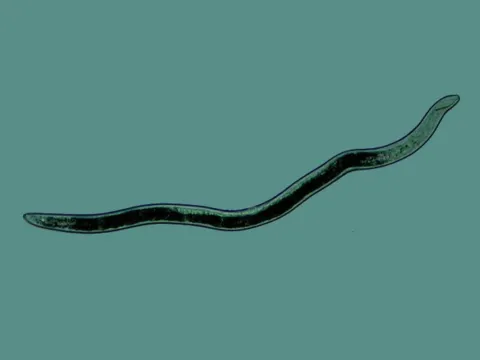
Transmission occurs primarily through soil-inhabiting ectoparasitic nematodes belonging to the genera Trichodorus and Paratrichodorus, which act as highly efficient vectors.
The virus can persist within the vector nematodes for long periods, allowing the pathogen to survive in the soil even in the absence of suitable host crops for several years.
Mechanical transmission via contaminated farm equipment or grafting tools can also play a role in spreading the virus across different fields or within greenhouse production units.
In potato cultivation, the virus causes a condition often referred to as "spraing" or internal rust spot, rendering tubers unsellable and unsuitable for high-quality processing.
Ornamental crops, particularly bulbous plants like tulips and gladioli, experience significant aesthetic damage due to flower variegation, malformed petals, and stunted growth.
Vegetable crops, such as peppers, tomatoes, and spinach, suffer from reduced vigor, chlorosis, and yield losses, leading to severe economic impacts for commercial growers.
Infection patterns in fields are often patchy, reflecting the localized distribution of the nematode vectors, which creates uneven stands and unpredictable harvest results.
The cumulative damage includes not only quantitative yield losses but also a degradation of crop quality, making the produce fail to meet strict industry market standards.
Foliar symptoms on affected plants often appear as distinctive chlorotic patterns, including mosaic, ringspots, and line patterns that resemble a rattling or zigzag motif.
Cross-sections of infected potato tubers reveal characteristic necrotic arcs or spots, known as internal rust spots, which are the hallmark sign of the infection in root crops.
Stunting and malformation of leaves or stems are common in severe infections, often resulting in bushy growth patterns that inhibit normal photosynthetic activity of the plant.
In tulips, the virus manifests as flower breaking, where the petals display unintended color patterns, significantly reducing the market value of the cut flowers.
- Necrotic arcs or brown spots within potato tuber flesh.
- Chlorotic rings and zigzag patterns on foliage.
- Reduced plant height and stunted development.
- Color breaking in flowers and distorted organ growth.
The most effective management strategy involves the application of nematicides to control the vector nematode populations before planting highly susceptible crops in infested soils.
Sanitation is critical; growers should always source virus-free propagation material and ensure that all equipment used in the fields is thoroughly cleaned to prevent mechanical spread.
Long-term crop rotation plans should be implemented, focusing on planting non-host crops to minimize the population density of vector nematodes in the affected soil.
Effective weed control is essential, as many common weeds serve as reservoirs for both the Tobacco rattle virus and the nematode vectors, maintaining the cycle of infection.
Breeding and utilizing resistant or tolerant crop varieties represent the most sustainable long-term solution for minimizing the impact of TRV on commercial agriculture.