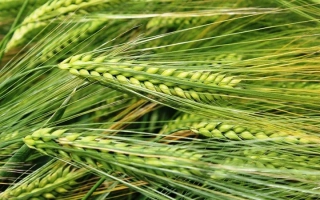
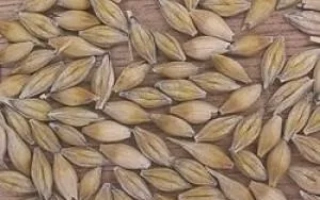
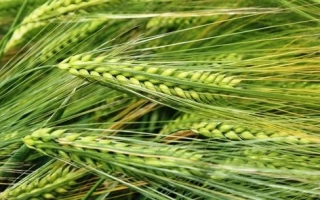
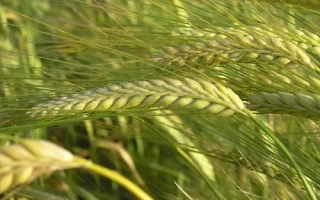
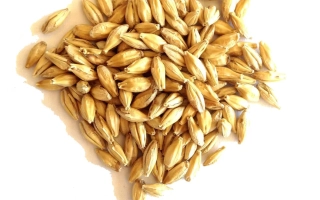
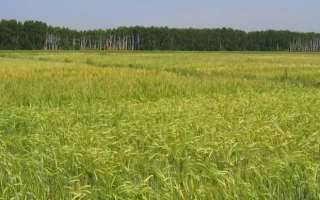
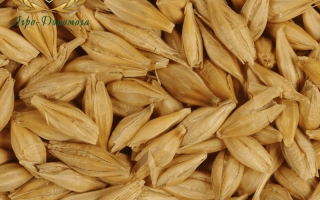
Odessa 165 is a winter barley, a six-row subspecies of Hordeum vulgare L., characterized by having three fully developed spikelets on each spikelet stem. The grain of this variety contains more than 12% protein, up to 65% carbohydrates, and about 2.1% fat, making it valuable as a concentrated protein feed as well as raw material for the production of cereals and brewing industry. Barley straw is used as animal feed, and the crop is also grown in greenhouses. Odessa 165 matures earlier by 10–16 days compared to spring varieties, allowing livestock to be fed during the period when last year's forage reserves are exhausted.
The variety exhibits high adaptability to drought conditions, which is especially important for regions of Ukraine with unstable climate. The vegetation period of Odessa 165 is 5–7 days shorter than that of the variety Osnova, with a seeding rate of 180–250 kg/ha. The yield potential reaches 59–63 centners/ha, and plant height varies within 100–105 cm. Odessa 165 is resistant to drought, winter conditions, and lodging, ensuring stable yields and grain quality with a 1000-grain weight of 42–43 g.
Despite its advantages, winter barley is generally less cold-resistant compared to other winter crops and may die at temperatures around –12–14°C in the tillering zone. Cultivation requires careful selection of varieties, sowing dates, fertilizers, and crop care. Odessa 165, due to its agronomic characteristics and adaptability, is a reliable choice for agricultural production in Ukraine, ensuring high productivity and grain quality.