


SKU #37247
·
57 views
Trudivnitsia
Wheat
User rating
0 votes0% positive reviews
No ratings yet — be the first.
Type of Development
Winter wheat
Wheat Type
Soft wheat variety
Growing Season
90-100 days
Plant; height
90-100 cm
About product

A reliable winter wheat variety known for its high gluten content and exceptional winter hardiness.
Type of Development
Winter wheat
Wheat Type
Soft wheat variety
Growing Season
90-100 days
Plant; height
90-100 cm
Description
Advanced genetics by the Institute of Plant Physiology and Genetics
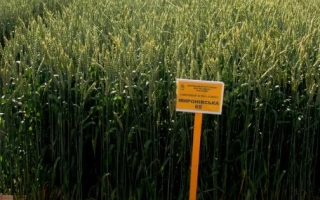
The winter wheat variety "Trudivnytsia" is a hallmark of Ukrainian breeding, developed by the Institute of Plant Physiology and Genetics of the NAS of Ukraine. This soft wheat cultivar is designed for producers who demand reliability, consistent yields, and strong performance under varied agricultural conditions.
Agronomic profile and adaptability
With a winter hardiness score of 8–9, the variety is highly adapted to withstand harsh winters. The plants reach a height of 90–100 cm, offering excellent lodging resistance. The vegetation period of 90–100 days ensures efficient nutrient uptake and water usage during the peak growth phases.
Yield quality and disease resistance
- Grain Quality: High protein content with over 30% gluten and a 1,000-kernel weight of 45–50 grams ensure premium market value for the harvested grain.
- Disease Defense: The variety possesses genetic resilience against root rot, leaf rust, and septoria.
- Pathogen Control: It shows high efficacy against powdery mildew, mycosphaerella spot, and brown spot.
Under optimal management, the yield potential of "Trudivnytsia" ranges between 9 and 11 tons per hectare, positioning it as a top-tier choice for intensive farming systems across Ukraine.
Crop & resistance
Crop
Disease resistance
Specifications hover over for a hint about the specification
| Type of Development | |
|---|---|
|
Wheat Type
Wheat Type
Biologically hard wheat differs from soft wheat in its greater demand for soil fertility and agronomic conditions (especially regarding field cleanliness from weeds), lower drought resistance and plasticity, relatively weaker root development, especially nodal roots, and lower ti... |
|
| Growing Season | 90-100 days |
| Plant; height | 90-100 cm |
| Seed: mass 1.000 pcs seeds | 45-50 grams |
|
Grain: gluten content
Grain: gluten content
Raw gluten of grain is a hydrated protein and consists of water-insoluble protein fractions, as well as a small amount of starch, fats, and other substances firmly bound by proteins. Since gluten is primarily composed of proteins, its yield and quality depend on the quantity and... |
More than 30% |
| Winter Hardiness, Ratings (9-1) | 8, 9 |
| Potential Yield | 9-10 tons, 10-11 tons |
| Registration year | 2016 |
| Catalog | Catalog → Wheat |
| Legal data |
Show · 1
|
| Country | Ukraine |
Store offers
Prices are updated on loadLoading offers…
Aggregator catalog: prices are collected automatically from store websites, normalized by AI and converted at the current exchange rate. Before ordering, confirm the price and availability on the store's website. This block is not indexed by search engines — the data is loaded after the page opens.
Not yet комментариев. Be the first!
Alternatives
Wheat seeds · similar varieties




See also
Often considered together with this variety




Recently viewed
Products you’ve viewed on this site
Reviews · 0