


SKU #59359
·
47 views
Wheat Tabor
Wheat
Prices in stores
No offers yet — stores have not added prices for this product yet.
Similar varieties with prices
All offers: Wheat seeds
Type of Development
Winter wheat
Wheat Type
Soft wheat variety
Growing Season
210-220 days, 220-230 days, 230-240 days, 240-250 days, 250-260 days, 260-270 days
Plant: height
90-100 cm
Your mark
0 votes
0% positive ratings
Description
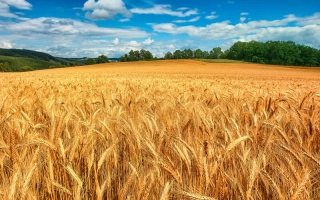
TABOR is a variety of soft winter wheat (Triticum aestivum L.) with semi-dwarf growth type and medium-late maturity. The vegetative period ranges from 212 to 268 days. The plant is low-growing and resistant to lodging, ensuring crop stability. The mass of 1000 grains varies from 36 to 45 grams. The variety belongs to the lutescent group and possesses good baking qualities, making it in demand for flour and bakery product production.
TABOR is characterized by high disease resistance: it is highly resistant to yellow and stem rust, resistant to septoria, and moderately resistant to brown rust. Meanwhile, the variety shows moderate susceptibility to hard head smut and fusarium head blight. Drought resistance is at the level of known standards, while winter hardiness exceeds the indicators of some benchmark varieties, allowing for successful cultivation in various climatic conditions of the North Caucasus region.
In addition to food use, TABOR wheat is widely used as a forage crop in animal husbandry. The grain contains a high protein level (11-15%), B and E group vitamins, as well as lysine and phosphorus, making it nutritious and beneficial for animal feeding. Grain moisture should not exceed 15%, which ensures its quality during storage and processing. Recommended sowing rates are 5 million viable seeds per hectare at optimal sowing times and up to 6 million at late sowing times.
Crop & resistance
Crop
Disease resistance
Specifications
| Type of Development | |
|---|---|
| Wheat Type | |
| Growing Season | 210-220 days, 220-230 days, 230-240 days, 240-250 days, 250-260 days, 260-270 days |
| Plant: height | 90-100 cm |
| Seed: mass 1.000 pcs seeds | 35-40 grams, 40-45 grams |
| Resistance to lodging | |
| Number of productive stems per hectare | 4.5-5.0 million pcs, 5.0-5.5 million pcs |
| Registration year | 2013 |
| Catalog | Catalog → Wheat |
| Legal data |
Show · 1 |
| Country | Russia |
No reviews yet. Be the first to share your experience.
Alternatives
Wheat seeds · similar varieties






See also
Often considered together with this variety




Recently viewed
Products you’ve viewed on this site
Reviews