


SKU #59826
·
32 views
Wheat SIMBIRTSIT
Wheat
Prices in stores
No offers yet — stores have not added prices for this product yet.
Similar varieties with prices
-
BAGANSKAYA 95
from 0.12 €per 1 kg
-
 NIVA 55OMSK STATE AGRARIAN UNIVERSITY NAMED AFTER P.A. STOLYPIN
from 0.36 €
NIVA 55OMSK STATE AGRARIAN UNIVERSITY NAMED AFTER P.A. STOLYPIN
from 0.36 €
-
 TULAYKOVSKAYA 10
from 0.07 €per 1 kg
TULAYKOVSKAYA 10
from 0.07 €per 1 kg
-
 Struna Myronovska
from 0.28 €per 1 kg
Struna Myronovska
from 0.28 €per 1 kg
Type of Development
Spring wheat
Wheat Type
Soft wheat variety
Growing Season
80-90 days
Seed: mass 1.000 pcs seeds
35-40 grams
Your mark
0 votes
0% positive ratings
Description
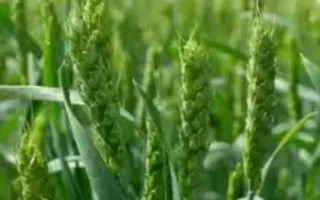
Simbirtsit is a variety of soft spring wheat (Triticum aestivum L.) of medium-maturity type with a vegetation period of 85-96 days. It is characterized by high productivity and adaptability, making it suitable for cultivation in various regions, including Nizhny Novgorod, Sverdlovsk, and Ulyanovsk regions, as well as the Republic of Tatarstan. The plant has a semi-upright stem, weak straw, with a strong waxy coating on the upper internode and sheath of the flag leaf. The ear is pyramidal, of medium density, white in color, with a colored grain. The mass of 1000 grains varies from 32 to 47 grams.
The variety is distinguished by high yield: in the Volga-Vyatsk region, the average yield was 38.5 c/ha, which is 6.7 c/ha higher than the average standard. In the Sverdlovsk region, yield fluctuated from 40 to 53 c/ha, exceeding the Krasnoufimskaya 100 standard by 2-7 c/ha, with the maximum yield reaching 60 c/ha. In the Central Volga region, the average yield was 25 c/ha, which is 3 c/ha higher than the average standard. The sowing rate is 4.5-5.0 million germinable seeds per hectare.
Simbirtsit is resistant to lodging at a level of 4.5-5.0 points, which corresponds to or exceeds the indicators of standard varieties. It has moderate drought resistance and is resistant to brown rust and hard head smut, but is susceptible to powdery head smut. The baking qualities of the variety are satisfactory, making it suitable for the production of quality flour. Due to its characteristics and high productivity, Simbirtsit is a reliable choice for agricultural production in the indicated regions.
The variety is distinguished by high yield: in the Volga-Vyatsk region, the average yield was 38.5 c/ha, which is 6.7 c/ha higher than the average standard. In the Sverdlovsk region, yield fluctuated from 40 to 53 c/ha, exceeding the Krasnoufimskaya 100 standard by 2-7 c/ha, with the maximum yield reaching 60 c/ha. In the Central Volga region, the average yield was 25 c/ha, which is 3 c/ha higher than the average standard. The sowing rate is 4.5-5.0 million germinable seeds per hectare.
Simbirtsit is resistant to lodging at a level of 4.5-5.0 points, which corresponds to or exceeds the indicators of standard varieties. It has moderate drought resistance and is resistant to brown rust and hard head smut, but is susceptible to powdery head smut. The baking qualities of the variety are satisfactory, making it suitable for the production of quality flour. Due to its characteristics and high productivity, Simbirtsit is a reliable choice for agricultural production in the indicated regions.
Crop & resistance
Crop
Disease resistance
Specifications
| Type of Development | |
|---|---|
| Wheat Type | |
| Growing Season | 80-90 days |
| Seed: mass 1.000 pcs seeds | 35-40 grams |
| Resistance to lodging | |
| Potential Yield | 8-9 tons |
| Number of productive stems per hectare | 4.5-5.0 million pcs |
| Registration year | 2007 |
| Catalog | Catalog → Wheat |
| Legal data |
Show · 9
|
| Country | Russia |
No reviews yet. Be the first to share your experience.
Alternatives
Wheat seeds · similar varieties





See also
Often considered together with this variety







Recently viewed
Products you’ve viewed on this site
Reviews