


SKU #59663
·
71 views
Wheat Silach
Wheat
Prices in stores
No offers yet — stores have not added prices for this product yet.
Similar varieties with prices
-
Raduga
from 55.5 €per 1 kg
-
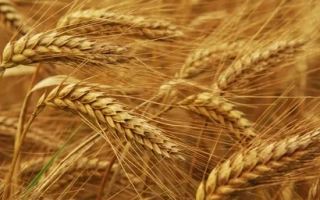 Struna Myronovska
from 0.28 €per 1 kg
Struna Myronovska
from 0.28 €per 1 kg
-
 AntikUkrainian Seeds Agrofirm
from 1.3 €за л
AntikUkrainian Seeds Agrofirm
from 1.3 €за л
-
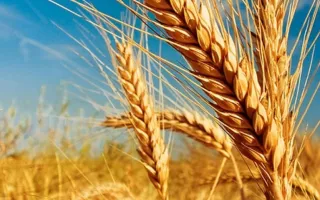 Yednannia
from 0.09 €per 1 kg
Yednannia
from 0.09 €per 1 kg
Type of Development
Spring wheat
Wheat Type
Soft wheat variety
Growing Season
80-90 days, 90-100 days
Seed: mass 1.000 pcs seeds
35-40 grams, 40-45 grams
Your mark
0 votes
0% positive ratings
Description
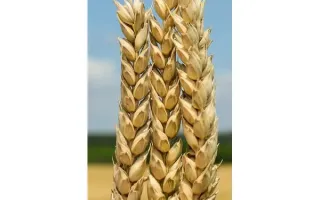
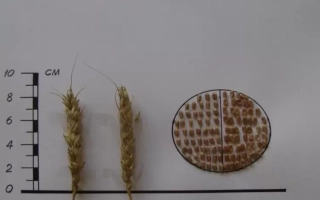
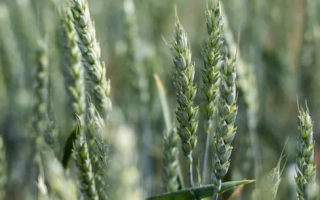
SILACH is a medium-late and medium-height soft spring wheat variety. It was developed based on a hybrid population resulting from the cross of Lutescens 210/99-10 and Erythrospermum 23090. The vegetative period of the variety averages about 90 days, with fluctuations between 81 and 98 days depending on growing conditions. The variety is recommended for cultivation in forest-steppe and steppe zones of the Southern Urals, including the Southern Forest-Steppe of the Chelyabinsk Region, as well as Western Siberia. SILACH is distinguished by high drought resistance comparable to the Uralosibirskaya variety, making it a reliable choice for regions with variable climatic conditions. The grain of the SILACH variety is characterized by a high thousand-kernel weight ranging from 34 to 48 grams, which contributes to high yields averaging 22 centners per hectare. Protein content in the grain varies from 13 to 14%, and gluten content from 15 to 27%, ensuring good baking qualities at the level of a good filler. The variety is resistant to brown rust, which reduces yield losses and improves grain quality. However, it is sensitive to powdery and hard head smut, which requires attention during agronomic practices. SILACH has a number of advantages, such as high yield, resistance to lodging and grain shattering, which facilitates harvesting and reduces losses. Thanks to its qualities and adaptation to the conditions of the Southern Urals and Western Siberia, this variety is widely used in agriculture for sowing and obtaining high-quality grain. Its application contributes to the stable production of wheat with good technological characteristics, making SILACH in demand among regional agrarians.
Crop & resistance
Crop
Disease resistance
Specifications
| Type of Development | |
|---|---|
| Wheat Type | |
| Growing Season | 80-90 days, 90-100 days |
| Seed: mass 1.000 pcs seeds | 35-40 grams, 40-45 grams |
| Grain: gluten content | 20-25%, 25-30% |
| Resistance to lodging | |
| Potential Yield | 8-9 tons, 9-10 tons |
| Registration year | 2020 |
| Catalog | Catalog → Wheat |
| Legal data |
Show · 1 |
| Country | Russia |
No reviews yet. Be the first to share your experience.
Alternatives
Wheat seeds · similar varieties







See also
Often considered together with this variety




Recently viewed
Products you’ve viewed on this site
Reviews