


SKU #67037
·
56 views
Triticale Beta
Triticale
Prices in stores
No offers yet — stores have not added prices for this product yet.
Similar varieties with prices
-
 ROVNYAVerkhnevolzhsky FANTS
from 0.97 €
ROVNYAVerkhnevolzhsky FANTS
from 0.97 €
-
 Kharkivskaya Support
from 0.38 €
Kharkivskaya Support
from 0.38 €
-
 AyaksPrivate enterprise Sort
from 6.04 €за л
AyaksPrivate enterprise Sort
from 6.04 €за л
-
 HARNE
from 0.27 €per 1 kg
HARNE
from 0.27 €per 1 kg
Type
Winter triticale
Registration year
2017
Your mark
0 votes
0% positive ratings
Description
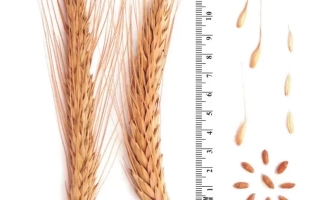
The winter triticale variety "BETA" is a wheat and rye hybrid intended for grain use for both fodder and food purposes. The plant is characterized by a tall growth form with a semi-prostrate bush and a long white ear. The grain is of a semi-elongated shape, naked, and yellow, with a mass of 1000 grains of about 40.9 grams. The variety belongs to the early-maturing group, which allows for harvesting at optimal times. The average yield in recommended regions is about 30.1 centners per hectare. The variety has moderate resistance to brown rust and snow mold, which contributes to yield stability under unfavorable conditions. Triticale of the "BETA" variety differs in fodder value, which is between wheat and rye. The grain contains a significant amount of protein, lysine, and fat, making it nutritious and useful for feeding animals. At the same time, the starch content in the grain is somewhat lower than in wheat. Anti-nutritive substances are also present in the grain, such as arabinoxylans, phytin, resorcinol, proteolytic enzyme inhibitors, and tannins, as well as non-starch polysaccharides that can affect the digestibility of feeds. These features must be taken into account when using triticale in feed rations. The "BETA" variety is suitable for cultivation in various regions with a temperate climate, ensuring a stable yield and high grain quality. Thanks to its characteristics, it can be used both for feed production and for food purposes, including baking production. The early maturity of the variety allows for effective planning of agronomic activities and obtaining products at optimal times, which makes it attractive for agricultural producers.
Crop & resistance
Disease resistance
Specifications
| Type | |
|---|---|
| Registration year | 2017 |
| Catalog | Catalog → Triticale |
| Legal data |
Show · 12
|
| Country | Russia |
No reviews yet. Be the first to share your experience.
Alternatives
Triticale seeds · similar varieties



See also
Often considered together with this variety



Recently viewed
Products you’ve viewed on this site
Reviews