

Prices in stores
No offers yet — stores have not added prices for this product yet.
Similar varieties with prices
- TopazFRSC from 58.12 €за л
-
 AKINAK
from 12.97 €за л
AKINAK
from 12.97 €за л
-
 VeresochNUBiP of Ukraine
from 0.27 €per 1 kg
VeresochNUBiP of Ukraine
from 0.27 €per 1 kg
-
 ROVNYAVerkhnevolzhsky FANTS
from 0.97 €
ROVNYAVerkhnevolzhsky FANTS
from 0.97 €
Type
Winter triticale
Registration year
2012
Your mark
0 votes
0% positive ratings
Description
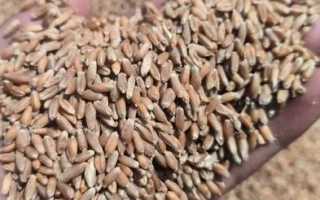
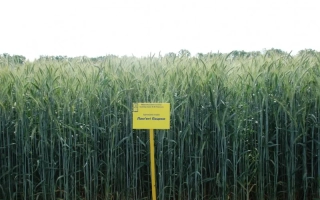
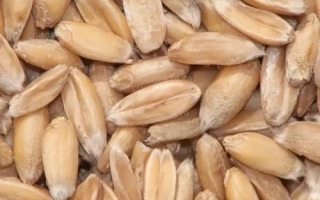
Winter triticale variety Nina is a fast-maturing hexaploid variety intended for grain production for both food and fodder purposes, as well as for use in fermentation industries. The vegetation period ranges from 304 to 316 days, with early-mid heading time. The plant is of medium height with a semi-erect bush, resistant to lodging and shattering, ensuring yield stability. The ear is cylindrical, white, of medium or long length, medium density, half-bearded with short awns above the ear tip. The grain is large, naked, elongated, and red in color, with a 1000-grain weight of about 44.6 grams.
The variety is distinguished by good winter hardiness and uniformity of plant height, which is confirmed by successful cultivation in various regions. The waxy coating on the flag leaf sheath is weak to medium, and the stem wall pubescence is weak. The outer surface of the lower glume is hairy with a very short tooth. Protein content in the grain reaches 9.4%, with a protein yield of 3.8 centners per hectare, indicating high raw material quality.
The average yield of the Nina variety is about 40.8 centners per hectare, confirmed by practical field data where yield reached 40 centners per hectare on an area of 75 hectares. The variety demonstrates resistance to major diseases, such as powdery mildew, provided appropriate plant protection methods are applied. Due to its characteristics and adaptability, triticale Nina is a reliable choice for agricultural production in central regions.
The variety is distinguished by good winter hardiness and uniformity of plant height, which is confirmed by successful cultivation in various regions. The waxy coating on the flag leaf sheath is weak to medium, and the stem wall pubescence is weak. The outer surface of the lower glume is hairy with a very short tooth. Protein content in the grain reaches 9.4%, with a protein yield of 3.8 centners per hectare, indicating high raw material quality.
The average yield of the Nina variety is about 40.8 centners per hectare, confirmed by practical field data where yield reached 40 centners per hectare on an area of 75 hectares. The variety demonstrates resistance to major diseases, such as powdery mildew, provided appropriate plant protection methods are applied. Due to its characteristics and adaptability, triticale Nina is a reliable choice for agricultural production in central regions.
Crop & resistance
Disease resistance
Specifications
| Type | |
|---|---|
| Registration year | 2012 |
| Catalog | Catalog → Triticale |
| Manufacturer | FGBNU Federal Research Center "Nemchinovka" |
| Country | Russia |
No reviews yet. Be the first to share your experience.
Alternatives
Triticale seeds · similar varieties





See also
Often considered together with this variety




Recently viewed
Products you’ve viewed on this site
Reviews