


SKU #72159
·
59 views
VIK 9
Timothy Grass
User rating
0 votes0% positive reviews
No ratings yet — be the first.
Usage Type
On feed
Drought Resistance
High
Registration year
1973
About product

High-resilience Timothy grass variety, expertly bred for stable forage production in drought-prone conditions.
Usage Type
On feed
Drought Resistance
High
Registration year
1973
Description
Resilience in the Field: Why Timothy Grass 'VIK 9' Leads in Reliability
Timothy grass 'VIK 9', developed by the Williams FRC, stands out as a top-tier choice for forage production, specifically designed to withstand environmental stress. While many high-intensity hybrids struggle when conditions become harsh, 'VIK 9' remains a consistent performer, making it a staple for sustainable livestock operations.
Performance Strengths
- Drought Tolerance: The primary advantage of 'VIK 9' is its ability to maintain biomass production during moisture deficits. This feature significantly reduces the risks associated with volatile weather patterns.
- Nutritional Quality: This variety maintains a stable nutritional profile, essential for high-quality hay and silage. It ensures that the forage remains palatable and nutrient-dense, supporting optimal cattle health.
- Adaptability: Bred for ecological plasticity, the variety performs well across a range of soil profiles, offering predictability to farm managers regardless of localized site conditions.
Who Should Choose 'VIK 9'?
This variety is the ideal match for commercial farms operating in regions prone to summer droughts. It is built for those who prioritize long-term efficiency over short-term spikes in yield. By integrating 'VIK 9' into your crop rotation, you secure a reliable forage base that requires less intervention and irrigation. While it may not reach the extreme growth rates of specialized high-input hybrids under perfect conditions, its consistent performance in non-ideal climates makes it the superior choice for risk-averse producers looking for long-term reliability.
Specifications
| Usage Type | |
|---|---|
| Drought Resistance | |
| Registration year | 1973 |
| Catalog | Catalog → Timothy Grass |
| Legal data |
Show · 1
|
| Country | Russia |
Store offers
Prices are updated on loadLoading offers…
Aggregator catalog: prices are collected automatically from store websites, normalized by AI and converted at the current exchange rate. Before ordering, confirm the price and availability on the store's website. This block is not indexed by search engines — the data is loaded after the page opens.
Not yet комментариев. Be the first!
Alternatives
Timothy Grass · similar varieties
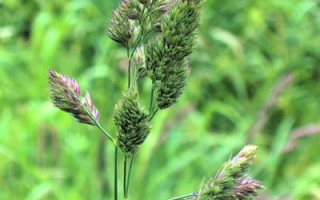


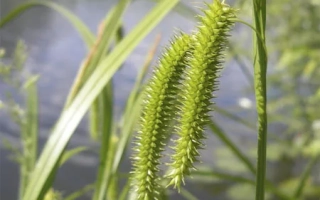


See also
Often considered together with this variety



Recently viewed
Products you’ve viewed on this site
Reviews · 0