


SKU #72181
·
52 views
TAMMISTO 2
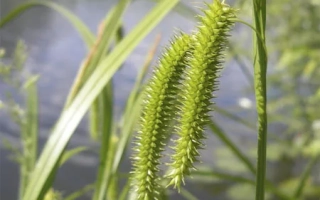
Timothy Grass
Boreal Plant BreedingUser rating
0 votes0% positive reviews
No ratings yet — be the first.
Usage Type
On feed
Registration year
2003
About product

A reliable forage variety with high spring growth energy and excellent adaptability to challenging climatic conditions.
Usage Type
On feed
Registration year
2003
Description
Agronomic Profile of 'TAMMISTO 2' Timothy
The 'TAMMISTO 2' variety from the Finnish breeding company Boreal Plant Breeding serves as a benchmark for adaptability in the perennial grass category. Developed within northern agricultural environments, this variety demonstrates exceptional resilience to environmental stressors, making it a strategic asset for establishing durable forage lands.
Technical Specifications and Morphology
- Winter Hardiness and Regeneration: The core genetics of 'TAMMISTO 2' feature a high capacity for vegetative mass recovery after overwintering. Early spring regrowth allows for the first cut to be harvested in a tight timeframe, which is critical for efficient forage scheduling.
- Utilization Type: Classified strictly as a forage variety, its physiological specialization focuses on high leaf-to-stem ratios. This ensures optimal nutritional value for both hay and silage while maintaining the forage structure necessary for proper rumination in livestock.
- Sod Density: The intra-populational structure of 'TAMMISTO 2' promotes rapid sward closure. This technical advantage suppresses weed development and prevents soil erosion on sloped fields, resulting in a dense, traffic-resistant ground cover.
Practical Application in Grass Mixtures
Integrating 'TAMMISTO 2' into permanent pastures stabilizes yields over a 4–6 year period. Due to genetically fixed resistance to leaf and root diseases, the variety maintains a consistent biomass increase even under intensive management regimes. In temperate and cool climates, this variety outperforms many counterparts in fiber digestibility metrics, which translates directly into increased livestock productivity.
Specifications
| Usage Type | |
|---|---|
| Registration year | 2003 |
| Catalog | Catalog → Timothy Grass |
| Manufacturer | Boreal Plant Breeding |
Store offers
Prices are updated on loadLoading offers…
Available at: Насінтрав
Aggregator catalog: prices are collected automatically from store websites, normalized by AI and converted at the current exchange rate. Before ordering, confirm the price and availability on the store's website. This block is not indexed by search engines — the data is loaded after the page opens.
Not yet комментариев. Be the first!
Alternatives
Timothy Grass · similar varieties


See also
Often considered together with this variety





Recently viewed
Products you’ve viewed on this site
Reviews · 0