


Prices in stores
No offers yet — stores have not added prices for this product yet.
Similar varieties with prices
-
VIK 85
from 3.34 €per 1 kg
-
 NARYMSKAYA
from 4.84 €per 1 kg
NARYMSKAYA
from 4.84 €per 1 kg
-
 Khibinskaya 673
from 3.17 €per 1 kg
Khibinskaya 673
from 3.17 €per 1 kg
-
 TAMMISTO 2Boreal Plant Breeding
from 7.13 €per 1 kg
TAMMISTO 2Boreal Plant Breeding
from 7.13 €per 1 kg
Usage Type
For feed
Registration year
2001
Your mark
0 votes
0% positive ratings
Description
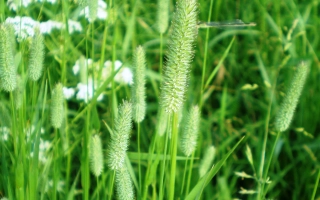
VEGA is a variety of meadow timothy (Phleum pratense L.), developed by DLF SEEDS A/S and registered under code 9801464. The variety is hexaploid, which ensures high resistance to unfavorable conditions and increased yield. During the second year after sowing, the plant forms a semi-erect bush with leaves of medium width, ranging from light green to dark green in shade. Flag leaves at heading vary from short to medium and from narrow to medium in width, while the stem remains relatively short. The upper internode is characterized by medium length.
VEGA yield in northern regions is consistently high: in the North region, the average dry matter yield is 40.9 c/ha, corresponding to the average standard, and in the Northwestern region – 60.8 c/ha, exceeding the average by 6.8 c/ha. The variety shows moderate susceptibility to powdery mildew and weak damage from grain fly, making it suitable for a wide range of climatic conditions.
Meadow timothy VEGA is characterized by frost resistance and insensitivity to heat. Seeds germinate at temperatures from 1 to 2 °C, and growth begins when the average daily temperature rises to 5–6 °C. The plant grows well on various soil types, especially on clay and moist ones, but also shows resistance to flooding by spring water for up to 30 days. Soil moisture is important: the plant does not tolerate drought and prolonged shade, but responds favorably to fertilization, especially with nitrogen, leading to a noticeable increase in yield.
Overall, the VEGA variety is a reliable and productive crop for meadow and field sowing in forest-steppe and steppe zones. Its high yield indicators, resistance to pests, and adaptability to various soil conditions make it an attractive choice for farmers seeking to increase the efficiency of hay-pasture crop production.
VEGA yield in northern regions is consistently high: in the North region, the average dry matter yield is 40.9 c/ha, corresponding to the average standard, and in the Northwestern region – 60.8 c/ha, exceeding the average by 6.8 c/ha. The variety shows moderate susceptibility to powdery mildew and weak damage from grain fly, making it suitable for a wide range of climatic conditions.
Meadow timothy VEGA is characterized by frost resistance and insensitivity to heat. Seeds germinate at temperatures from 1 to 2 °C, and growth begins when the average daily temperature rises to 5–6 °C. The plant grows well on various soil types, especially on clay and moist ones, but also shows resistance to flooding by spring water for up to 30 days. Soil moisture is important: the plant does not tolerate drought and prolonged shade, but responds favorably to fertilization, especially with nitrogen, leading to a noticeable increase in yield.
Overall, the VEGA variety is a reliable and productive crop for meadow and field sowing in forest-steppe and steppe zones. Its high yield indicators, resistance to pests, and adaptability to various soil conditions make it an attractive choice for farmers seeking to increase the efficiency of hay-pasture crop production.
Crop & resistance
Disease resistance
Specifications
| Usage Type | |
|---|---|
| Registration year | 2001 |
| Catalog | Catalog → Timothy Grass |
| Manufacturer | DLF |
| Legal data |
Show · 14
|
| Country | Denmark |
No reviews yet. Be the first to share your experience.
Alternatives
Timothy Grass · similar varieties



See also
Often considered together with this variety





Recently viewed
Products you’ve viewed on this site
Reviews