


SKU #43695
·
51 views
Sugar beet Sidney
Sugar Beet
MARIBO SEEDUser rating
0 votes0% positive reviews
No ratings yet — be the first.
Root vegetable; size
Large
Root; shape
Cylindrical-conical
Sugar Content
17-18%
Recommended Density
80-90 thous. pcs/ha
About product

A reliable hybrid with high genetic immunity to key diseases and a stable sugar output.
Root vegetable; size
Large
Root; shape
Cylindrical-conical
Sugar Content
17-18%
Recommended Density
80-90 thous. pcs/ha
Description
Stable Sugar Beet Yields from Danish Breeding
The «Sydney» sugar beet hybrid from the renowned Danish brand Maribo Seed is the choice for those who prioritize the balance between high yield and high-tech farming. In the face of changing climate conditions, this hybrid demonstrates excellent survivability, minimizing losses from diseases typical for sugar beet production.
Crop Health as a Priority
The key advantage of «Sydney» lies in its genetic immunity. Maribo Seed breeders focused on comprehensive resistance, which is critical for securing high-quality raw materials:
- High tolerance to root rots, ensuring the integrity of the root crop throughout the entire growing season.
- Effective defense against Cercospora leaf spot and powdery mildew — the primary enemies of the leaf apparatus that can significantly reduce sugar content.
Morphology and Productivity
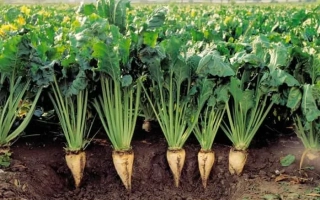
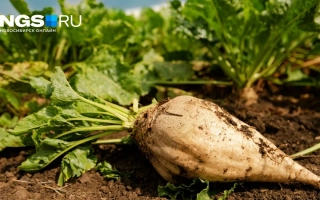
The root crop has a distinct cylindrical-conical shape. Due to its large size and excellent uniformity, the beet is perfectly suited for mechanical harvesting. Sugar content ranges from 17% to 18%, which is a solid benchmark for the processing industry. To achieve optimal results, the manufacturer recommends maintaining a plant density of 80,000 to 90,000 plants per hectare.
Who is this for?
This hybrid is an optimal solution for farmers working in regions with a high infectious background of fungal diseases. «Sydney» is forgiving when it comes to minor lapses in fungicide protection, delivering stable results even where other varieties might falter. It is a balanced product for operations focused on predictable profitability and high-quality root crops.
Crop & resistance
Crop
Disease resistance
Specifications hover over for a hint about the specification
| Root vegetable; size | |
|---|---|
|
Root; shape
Root; shape
Roots can be round, elongated-round, cylindrical, conical. |
|
| Sugar Content | 17-18% |
|
Recommended Density
Recommended Density
Optimal productivity is achieved at a planting density of 4000-5500 plants/ha. Possible planting scheme: 300-500x40-80 cm. |
80-90 thous. pcs/ha |
| Registration year | 2000 |
| Catalog | Catalog → Sugar Beet |
| Manufacturer | MARIBO SEED |
| Country | Denmark |
Store offers
Prices are updated on loadLoading offers…
Aggregator catalog: prices are collected automatically from store websites, normalized by AI and converted at the current exchange rate. Before ordering, confirm the price and availability on the store's website. This block is not indexed by search engines — the data is loaded after the page opens.
Not yet комментариев. Be the first!
Alternatives
Sugar beet seeds · similar varieties





See also
Often considered together with this variety






Recently viewed
Products you’ve viewed on this site
Reviews · 0