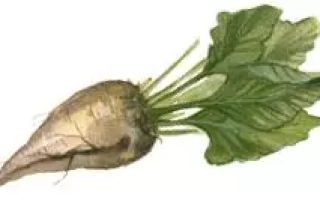
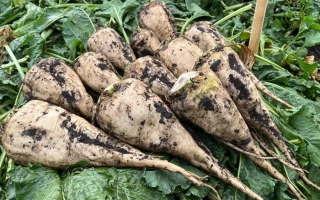
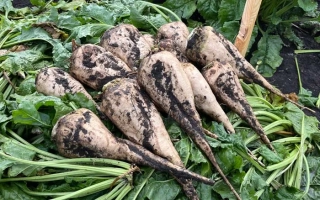
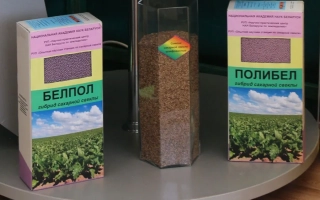
Sugar beet S 2364 M is a biennial plant with a cylinder-conical rootstock weighing approximately 700 grams. The rootstock has a firm white flesh and a relatively smooth surface, which facilitates harvesting by reducing soil adhesion. The leaf rosette is semi-upright, the leaf blade is medium-sized, entire and moderately ruffled. The root system is taproot, penetrating to a depth of 2-3 meters, which ensures the plant's stability against drought and cold. The vegetation period is up to 120 days, which allows for successful cultivation of the crop in various climatic zones.
The hybrid is distinguished by high resistance to the main diseases of sugar beet, such as cercosporosis, powdery mildew, and rootstock rot. Moreover, the plant is resistant to multiple treatments with the herbicide glyphosate, which facilitates care and increases the effectiveness of crop protection. It is recommended for cultivation in the Polesie, Forest-Steppe, and Steppe zones, where it demonstrates a high yield of 600-950 centners per hectare at a sugar content of 18-19%.
Sugar beet S 2364 M has universal and waste-free application. Besides sugar production, pulp, molasses, and defectate are obtained from it, which are widely used in agriculture and the food industry. Molasses serves as raw material for the production of alcohol, glycerol, citric acid, yeast, and organic acids, while defectate is a valuable fertilizer. Pulp is used as nutritious feed for cattle. Moreover, ethanol is produced from sugar beet, which is used as an alternative fuel. In cooking, the rootstocks are used to prepare traditional dishes, such as borscht and kvass.